The skull in brief
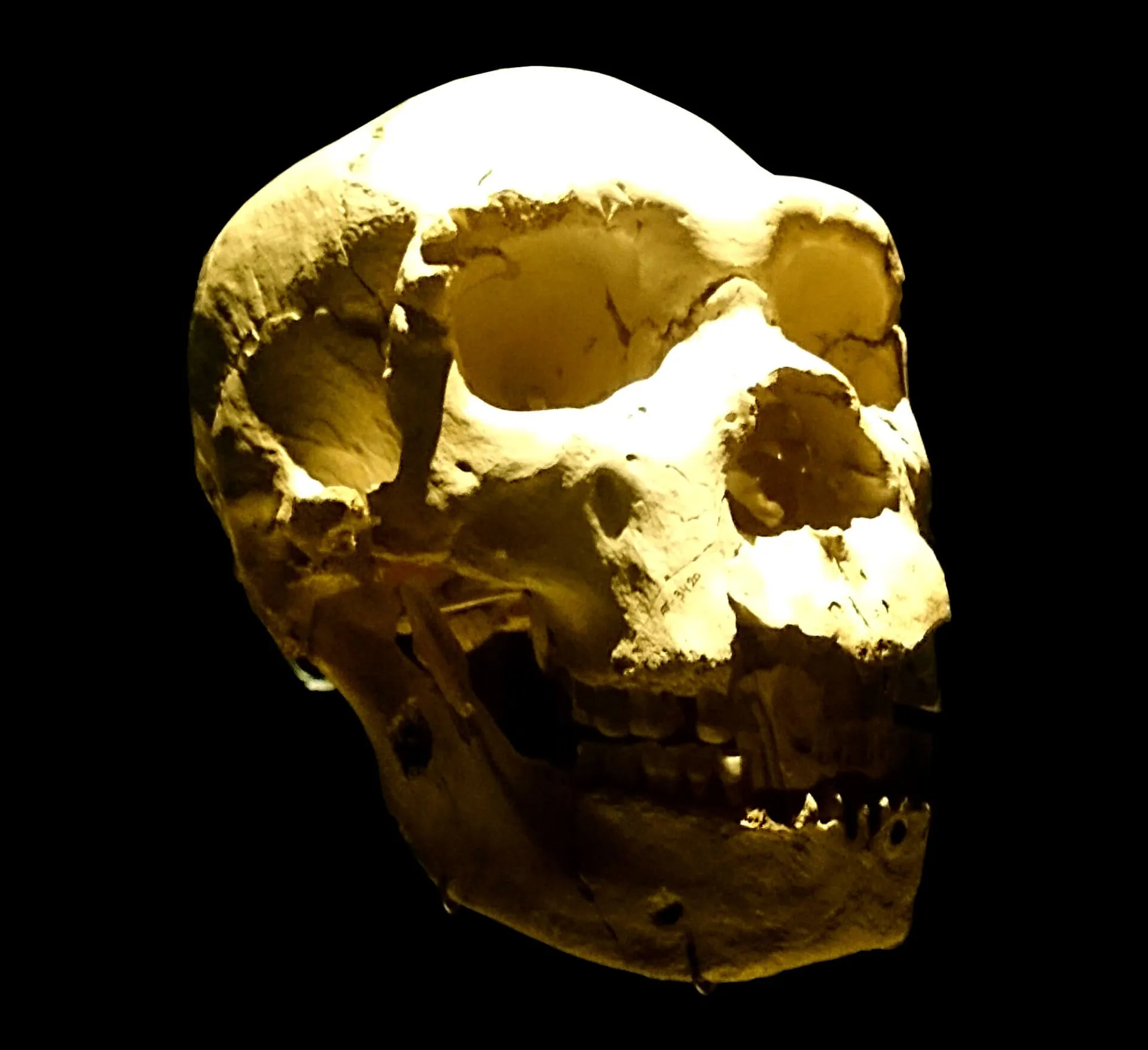
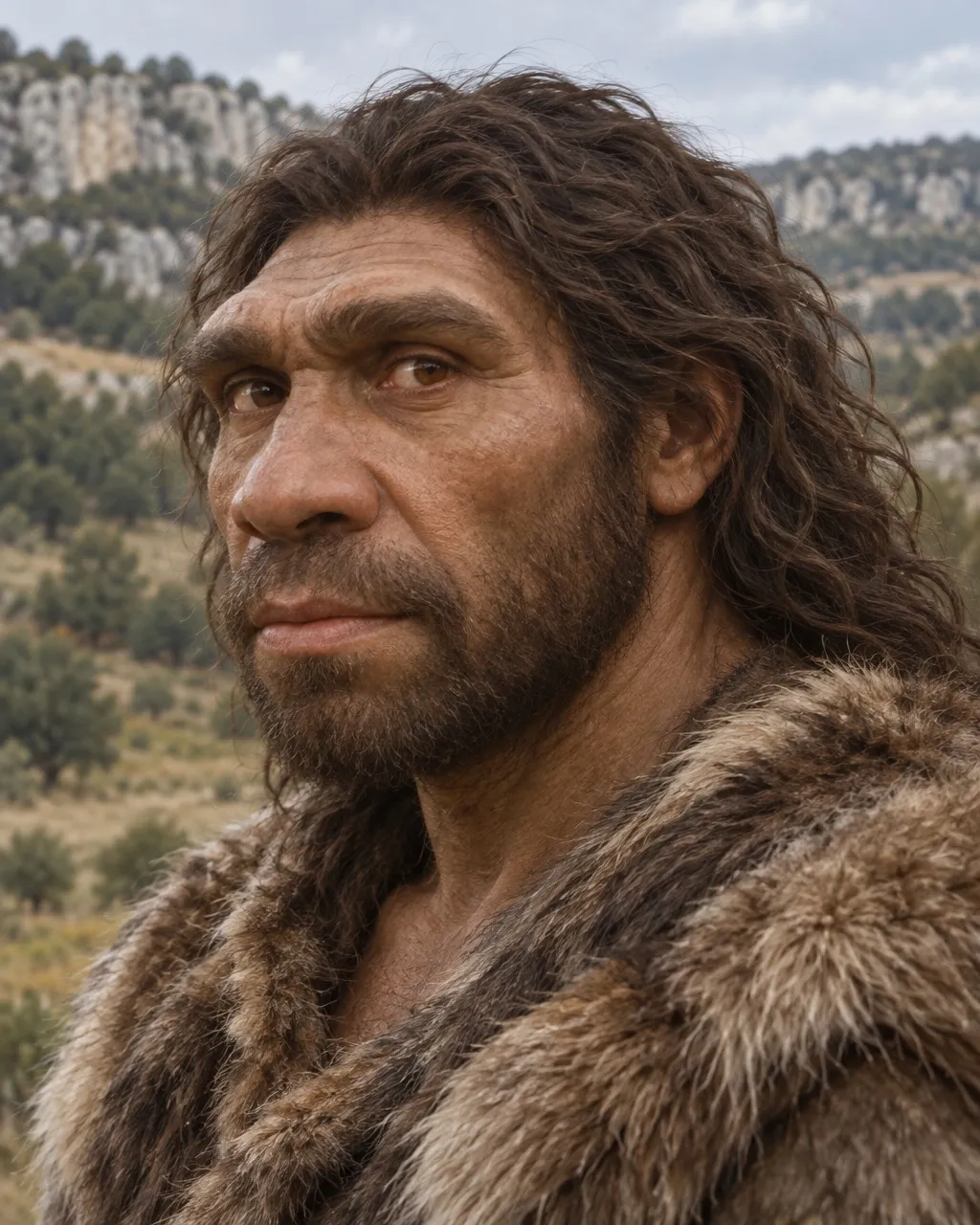
Miguelón is the nickname of Cranium 5, a nearly complete skull with its lower jaw, found in 1992 in the Sima de los Huesos, a chamber deep in the Cueva Mayor at Atapuerca. It is one of the best-preserved skulls in the human fossil record, and it has been dated to about 430,000 years ago. Its brain was about 1,100 cubic centimetres. The face is large and projecting, with a heavy brow ridge, and it shows several features that were later typical of the Neanderthals.
The name
The excavators nicknamed it after Miguel Induráin, the Spanish cyclist who won the Tour de France and the Giro d’Italia in 1992, the year the skull was found. Another skull from the pit, Cranium 4, was nicknamed Agamenón.
The pit of bones
The Sima de los Huesos holds more than 6,000 human bones from at least 28 individuals, one of the richest collections of its kind from any period. Excavations began in 1984. The bones are about 430,000 years old, and DNA recovered from them in 2016 showed that these people were related to the Neanderthals and Denisovans more than to modern humans. This pushed the split between the Neanderthal and modern human lines back to before 430,000 years ago.
The person
Miguelón was an adult. His upper jaw shows a fractured tooth and abscesses, and a 2013 study of the damage judged that the spreading infection in the jaw was a probable cause of his death.
The argument
Nobody knows how so many bodies came to be in the pit. The excavators suggest the dead were placed there deliberately, which would make it one of the earliest signs of funeral behaviour. Others argue that they fell or were washed in. What to call the people is also disputed: some place them in Homo heidelbergensis, others call them early Neanderthals.
Where it is
The original is held in Spain, and the main fossils from Atapuerca are shown at the Museum of Human Evolution in Burgos.
Sources
- Arsuaga, J. L. and others (1997). The Sima de los Huesos crania (Sierra de Atapuerca, Spain). Journal of Human Evolution 33: 219 to 281.
- Arsuaga, J. L. and others (2014). Neandertal roots: cranial and chronological evidence from Sima de los Huesos. Science 344: 1358 to 1363.
- Gracia-Téllez, A. and others (2013). Orofacial pathology in Homo heidelbergensis: the case of Skull 5 from the Sima de los Huesos site (Atapuerca, Spain). Quaternary International 295: 83 to 93.
- Meyer, M. and others (2016). Nuclear DNA sequences from the Middle Pleistocene Sima de los Huesos hominins. Nature 531: 504 to 507.
- UNESCO World Heritage Centre: Archaeological Site of Atapuerca.