The skull in brief
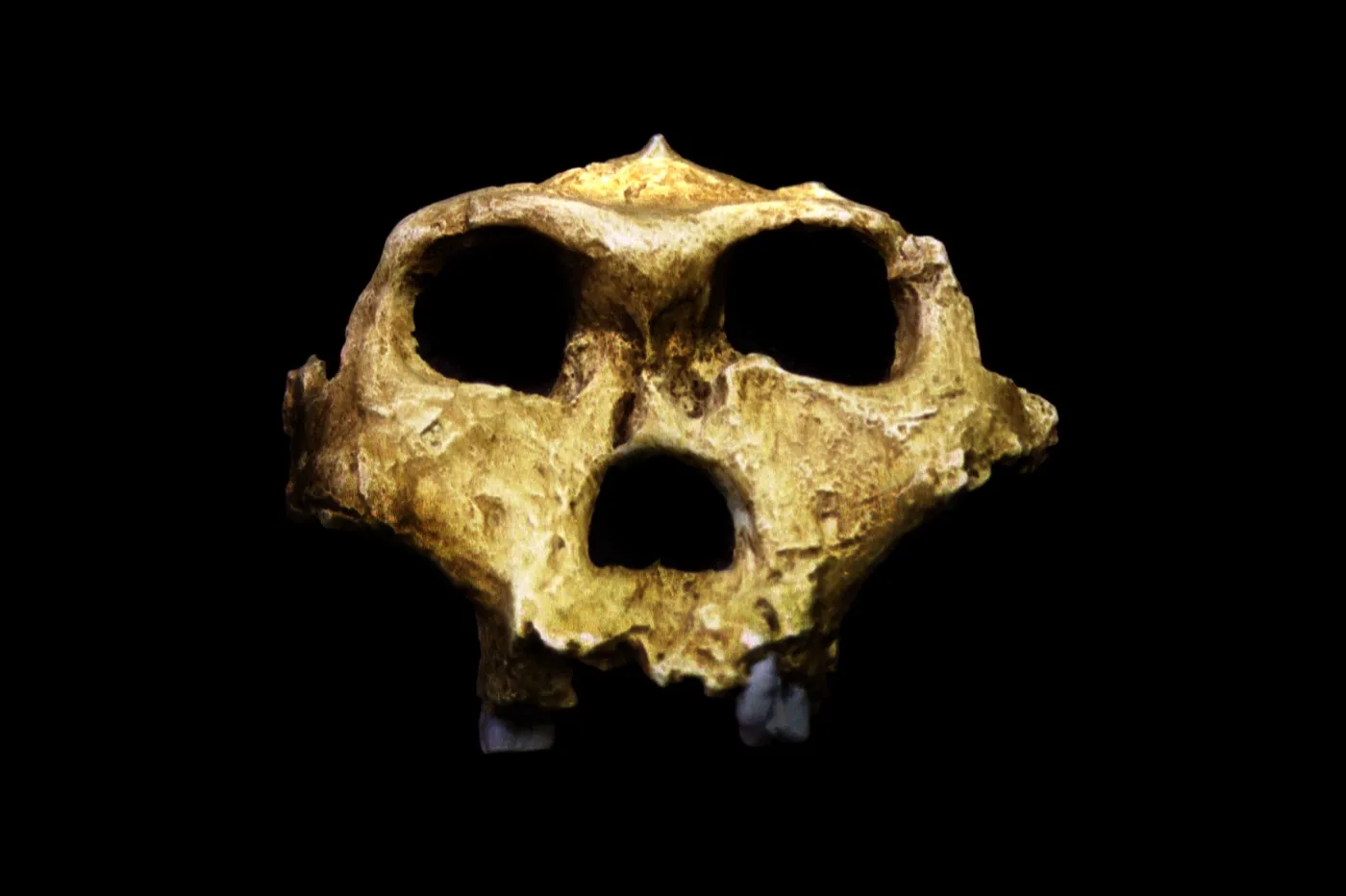
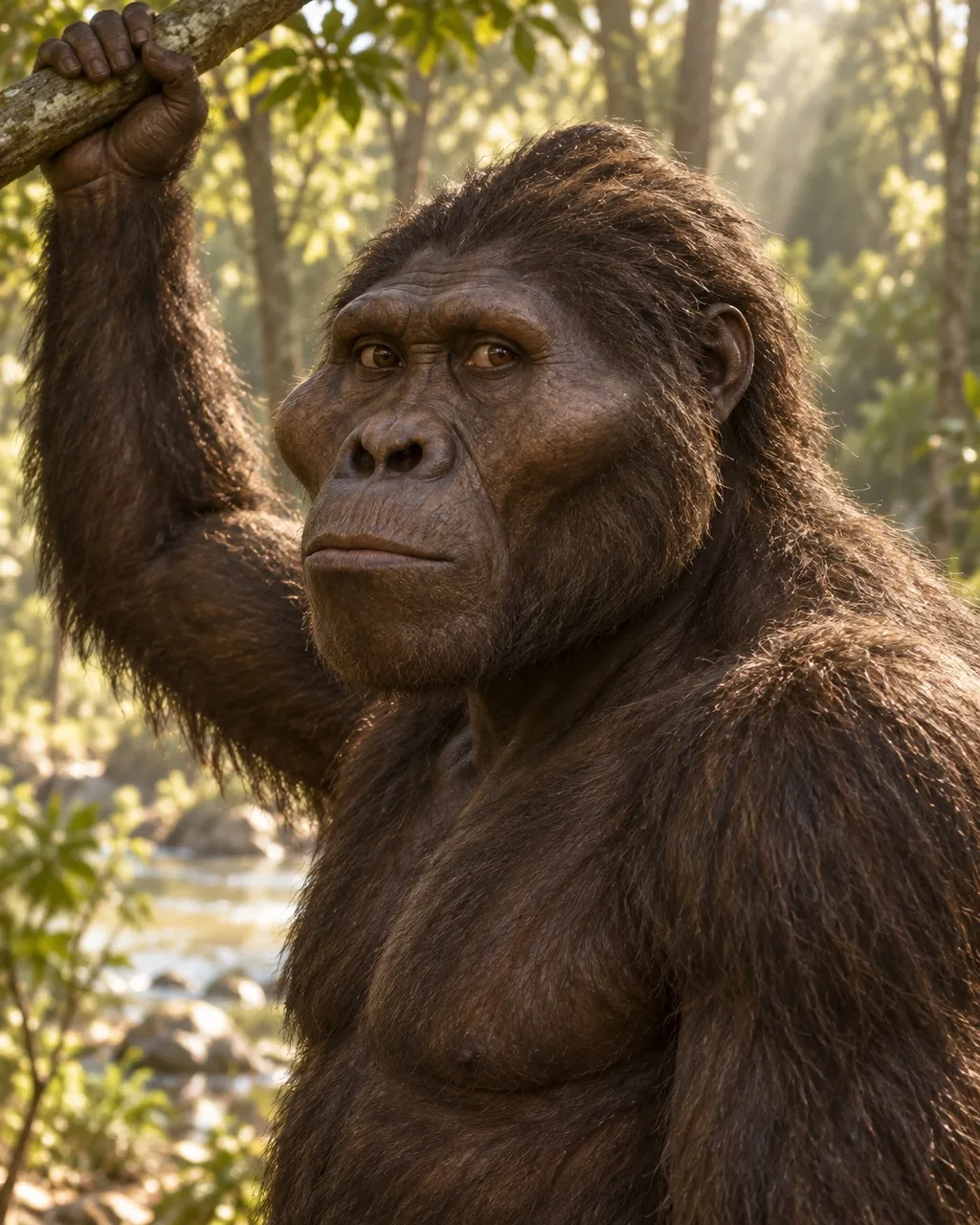
OH 5 stands for Olduvai Hominid 5. It is a nearly complete skull, missing its lower jaw, of a robust early human relative with a huge flat face, enormous cheek teeth and a sagittal crest. Louis Leakey nicknamed it “Zinj”, from the old name for East Africa, and the press called it “Nutcracker Man”. Today it is placed in Paranthropus boisei.
The find
On 17 July 1959 Mary Leakey spotted fragments of a skull in the slope at the FLK site in Olduvai Gorge. Louis Leakey was in camp with a fever. Over the next weeks the Leakeys dug out and put together the skull. It was found with stone tools and animal bones, so Louis Leakey took it to be the toolmaker, and gave it the name Zinjanthropus boisei. The boisei honours Charles Boise, who had paid for the Leakeys’ work.
Why it matters
- Age. Potassium-argon dating of the volcanic layers gave about 1.75 million years, far older than anyone had expected for a human relative. It was one of the first times radiometric dating was used on an early human site.
- Fame and funding. The find brought the Leakeys worldwide attention and the money to continue.
- A change of mind. In the following years they found a more lightly built relative in the same layers, Homo habilis, and decided that it, and not Zinj, was the real toolmaker.
Where it is
The original belongs to Tanzania and is held in the National Museum in Dar es Salaam.
Sources
- Leakey, L. S. B. (1959). A new fossil skull from Olduvai. Nature 184: 491 to 493.
- Smithsonian National Museum of Natural History, Human Origins Program. Paranthropus boisei.