The fossils in brief
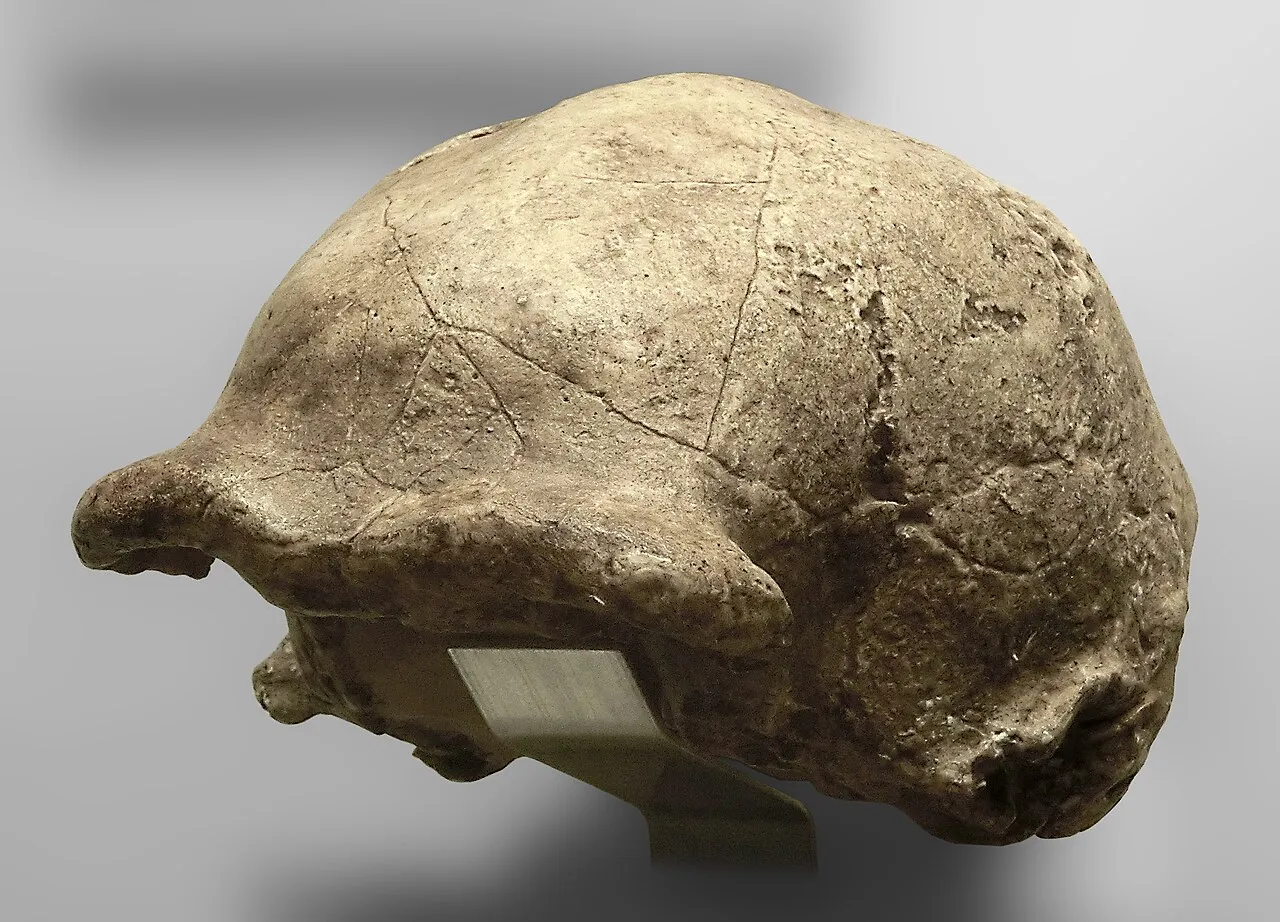
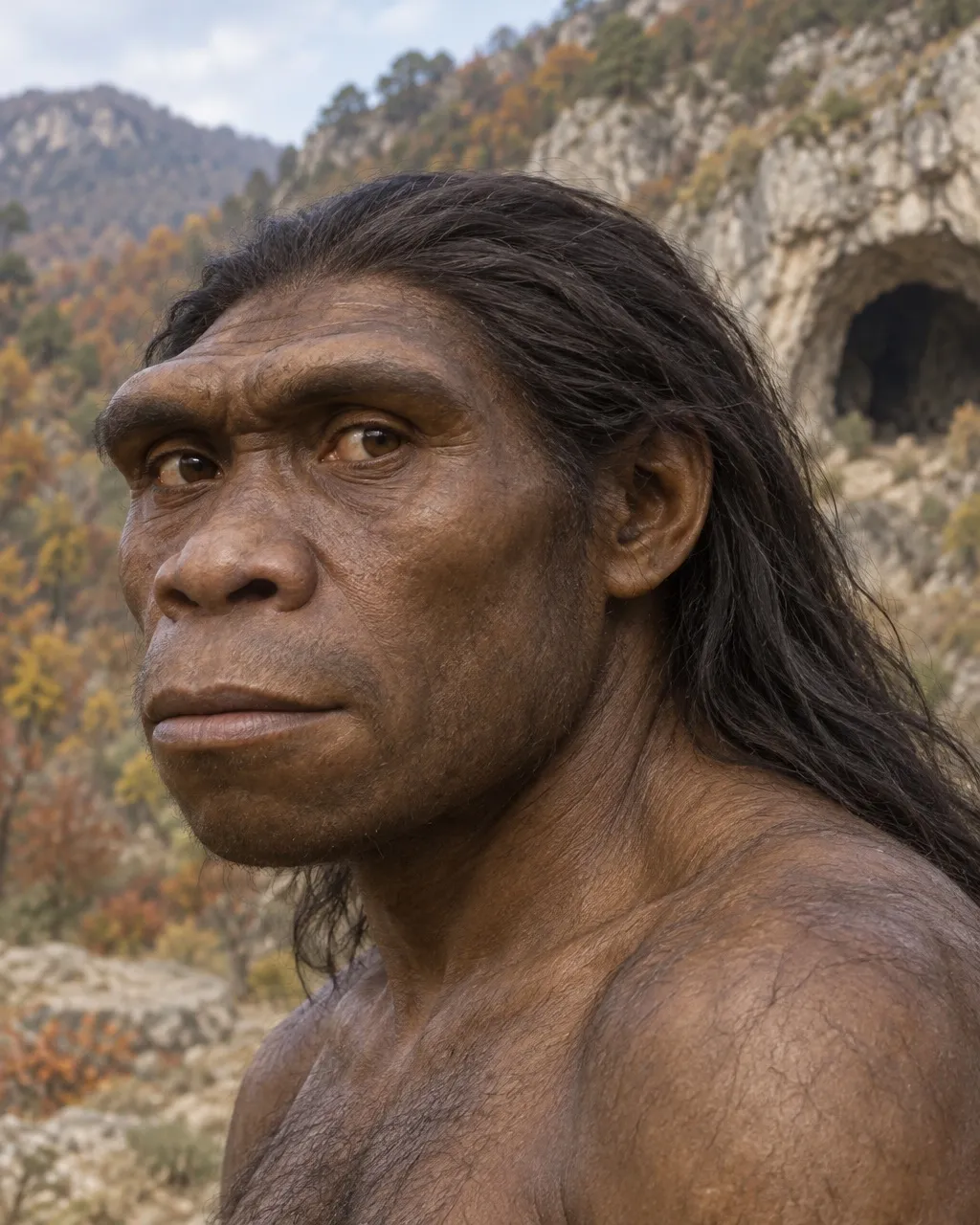
“Peking Man” is the popular name for the Homo erectus fossils from the cave site at Zhoukoudian near Beijing, first named Sinanthropus pekinensis. The material represents as many as 40 individuals, with skulls whose brain sizes range from about 900 to 1,225 cubic centimetres, an average of about 1,030, which is more than the early African erectus. The cast shown here is of the skullcap called Zhoukoudian III.
The find
The first finds were teeth. The Austrian palaeontologist Otto Zdansky found two in the early 1920s, and in 1927 the Canadian anatomist Davidson Black used a single molar found that year to name a new species. On 2 December 1929 the young Chinese geologist Pei Wenzhong found the first skullcap, and in the 1930s Jia Lanpo and others found more. After Black’s death in 1934 the anatomist Franz Weidenreich studied them and published detailed descriptions.
The loss
In December 1941, as war spread in the Pacific, the fossils were packed for shipment to the United States for safekeeping. They disappeared on the way, and have never been found, despite many searches. Weidenreich had made plaster casts and drawings before the loss, and he took them to New York, so our knowledge of the skulls comes from these records. Later digs at Zhoukoudian have found more fossils.
Why it matters
Peking Man gave the world a large sample of an early human. For years it was the main evidence that human ancestors lived in Asia, and it still has a special place in Chinese science and culture.
Sources
- Weidenreich, F. (1943). The skull of Sinanthropus pekinensis: a comparative study on a primitive hominid skull. Palaeontologia Sinica D10.
- Shen, G. and others (2009). Age of Zhoukoudian Homo erectus determined with 26Al/10Be burial dating. Nature 458: 198 to 200.