What they found
Shanidar Cave, in the mountains of Iraqi Kurdistan, is one of the most famous Neanderthal sites in the world. In digs that ran through the 1950s up to 1960, Ralph Solecki’s team found the skeletal remains of ten Neanderthals there. In 1960 they lifted out a tight group of bodies, among them Shanidar 4, the so-called “flower burial”, from a spot right behind a large upright boulder that had fallen from the roof.
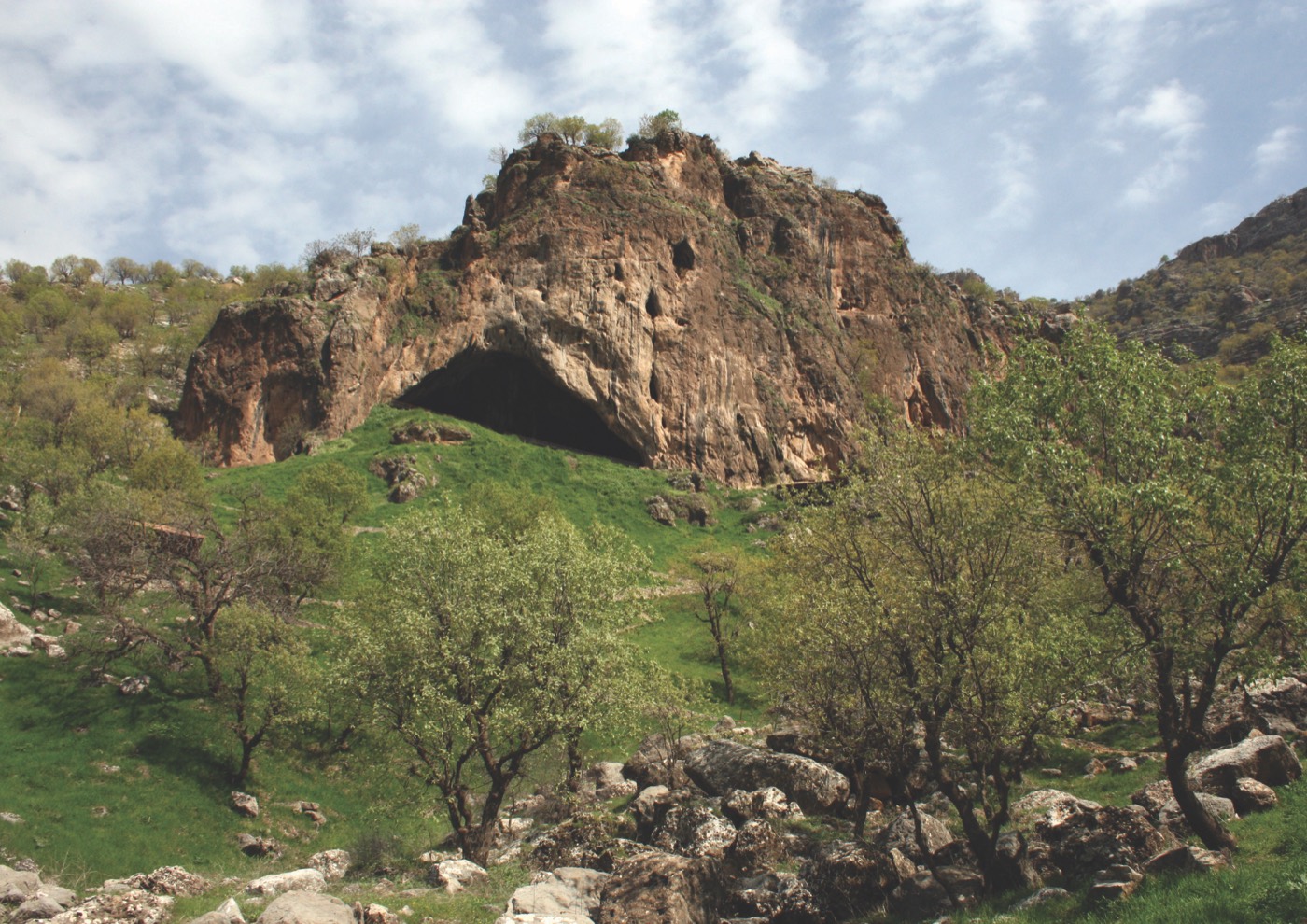
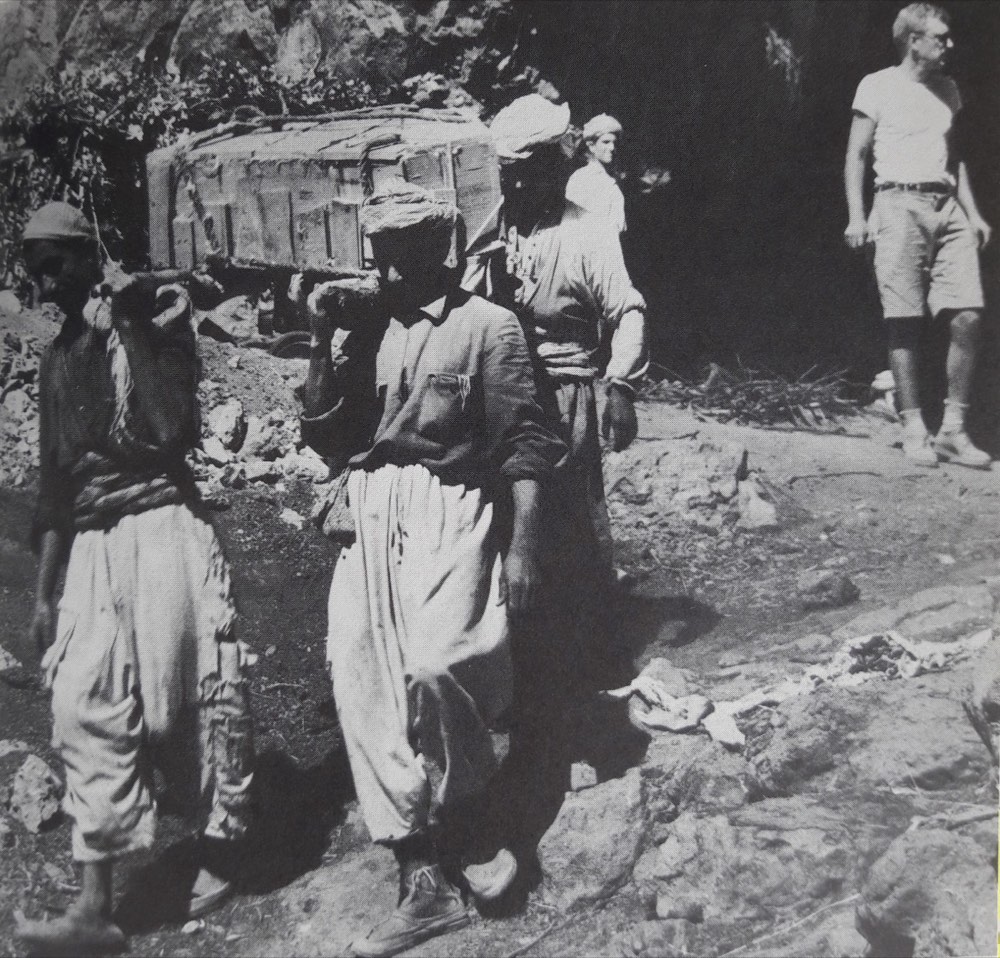
A team led by Graeme Barker of the University of Cambridge reopened excavations at the cave in 2015. Right beside the 1960 dig they have found the skeletal remains of three Neanderthals, named Shanidar Z, A and B. These may not all be new people: some of the bones could belong to the same individuals Solecki’s team found in 1960. Shanidar A was dug out in 2019 and 2022, lying about 15 centimetres below Shanidar Z.
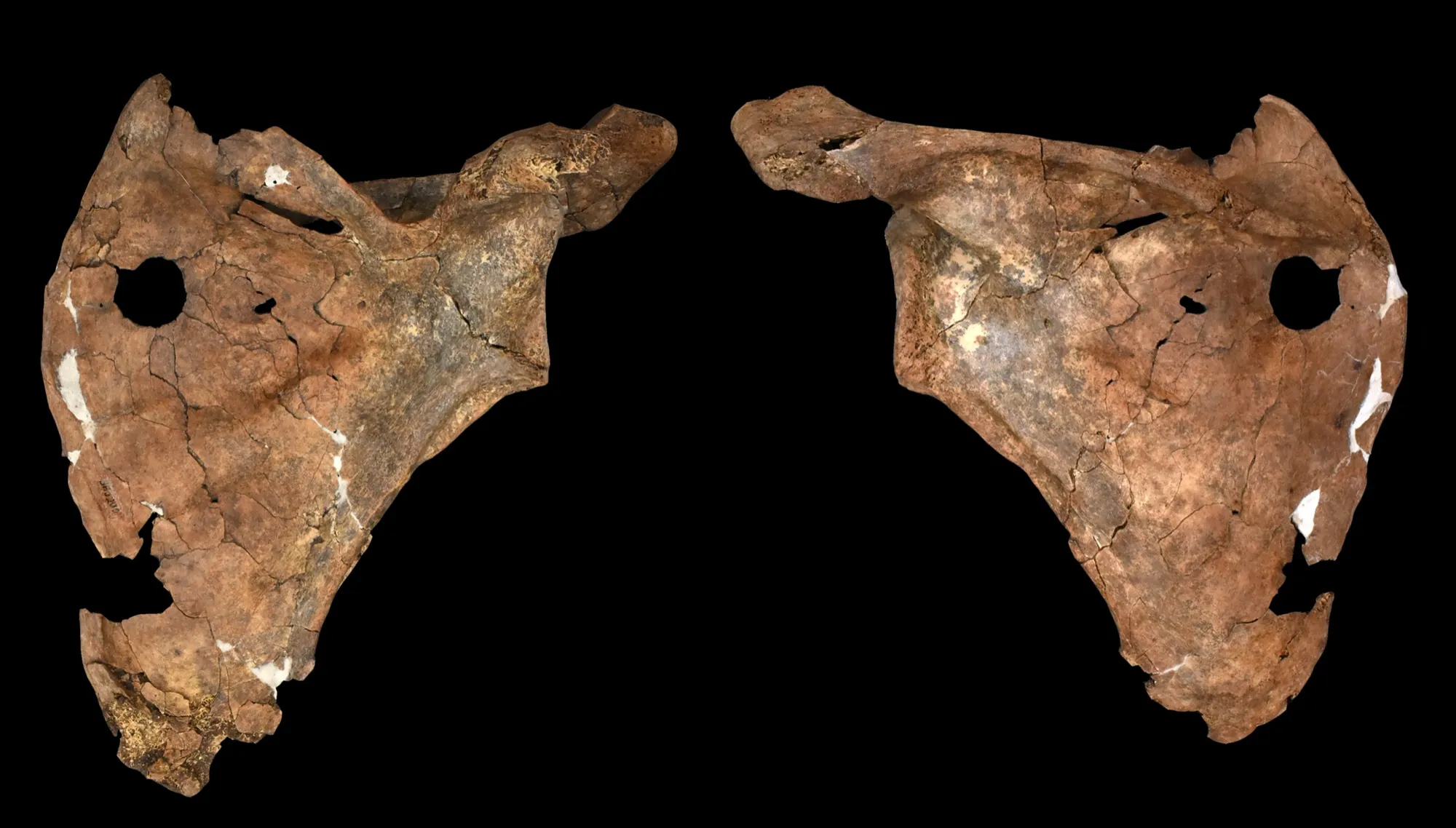
Not much of Shanidar A is left: a nearly complete right hand, two left ribs and a piece of a right one, the left shoulder blade, and six heavily worn lower front teeth. Layers in the sediment show what happened. The body was laid on its back, head to the east, in a dry, shallow channel and was partly covered by sediment. Long after the flesh had gone, a flash flood swept through and carried most of the bones away. The hand survived because it was tucked against the big boulder. From the extreme wear on the teeth, this was an older adult, perhaps about 45. The bones that survive cannot show whether Shanidar A was a man or a woman.
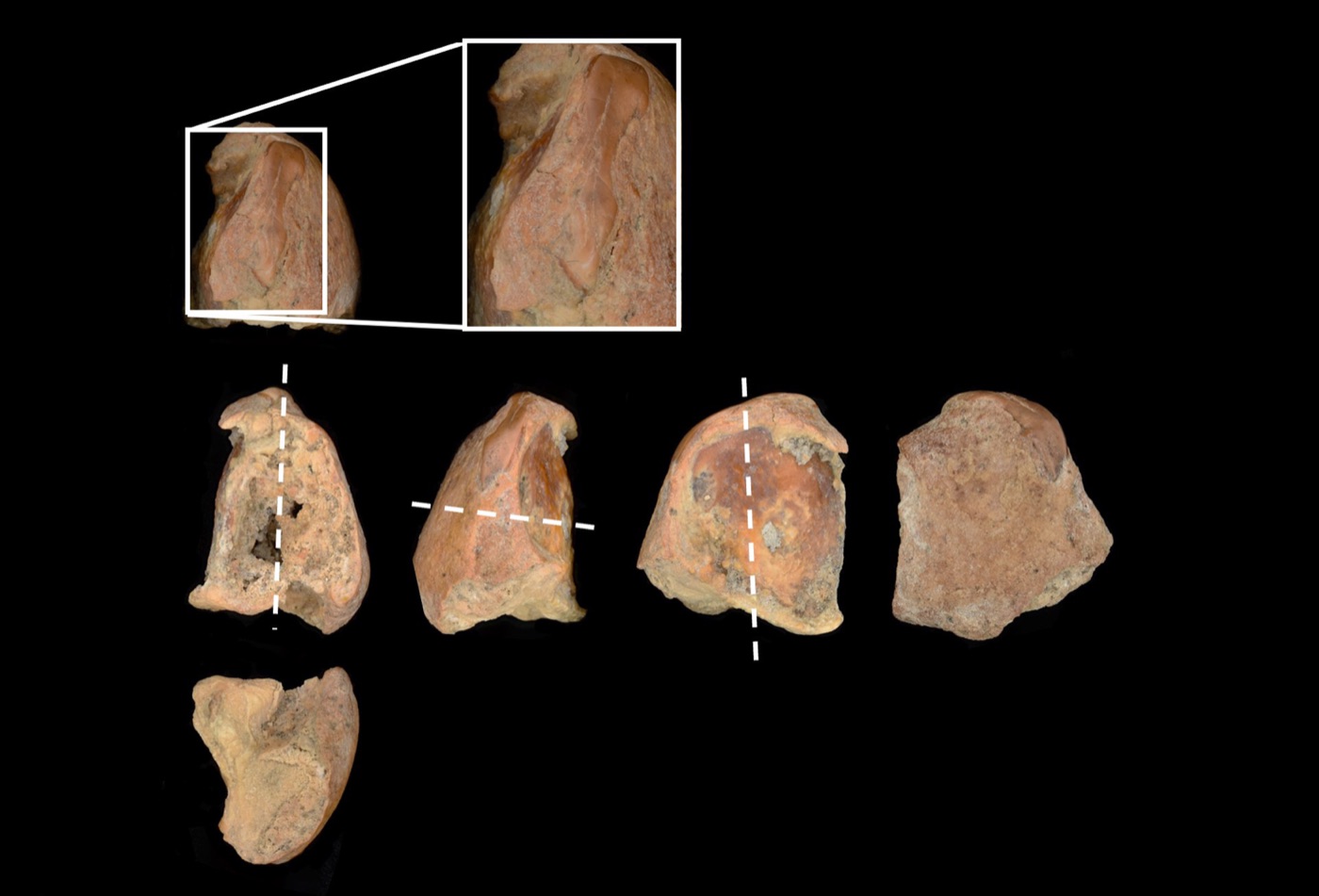
The spear wound. The shoulder blade has a hole about 15 millimetres across, almost perfectly round, with at least three cracks running out from it. The edges show no healing, so it happened around the time of death. On the back of the bone the edge is bevelled, the sign of an exit, so whatever made it went in from the front. Micro-CT scans of the sediment under the shoulder blade found small chips of bone that had been punched out of the hole, and one fits back into it exactly.
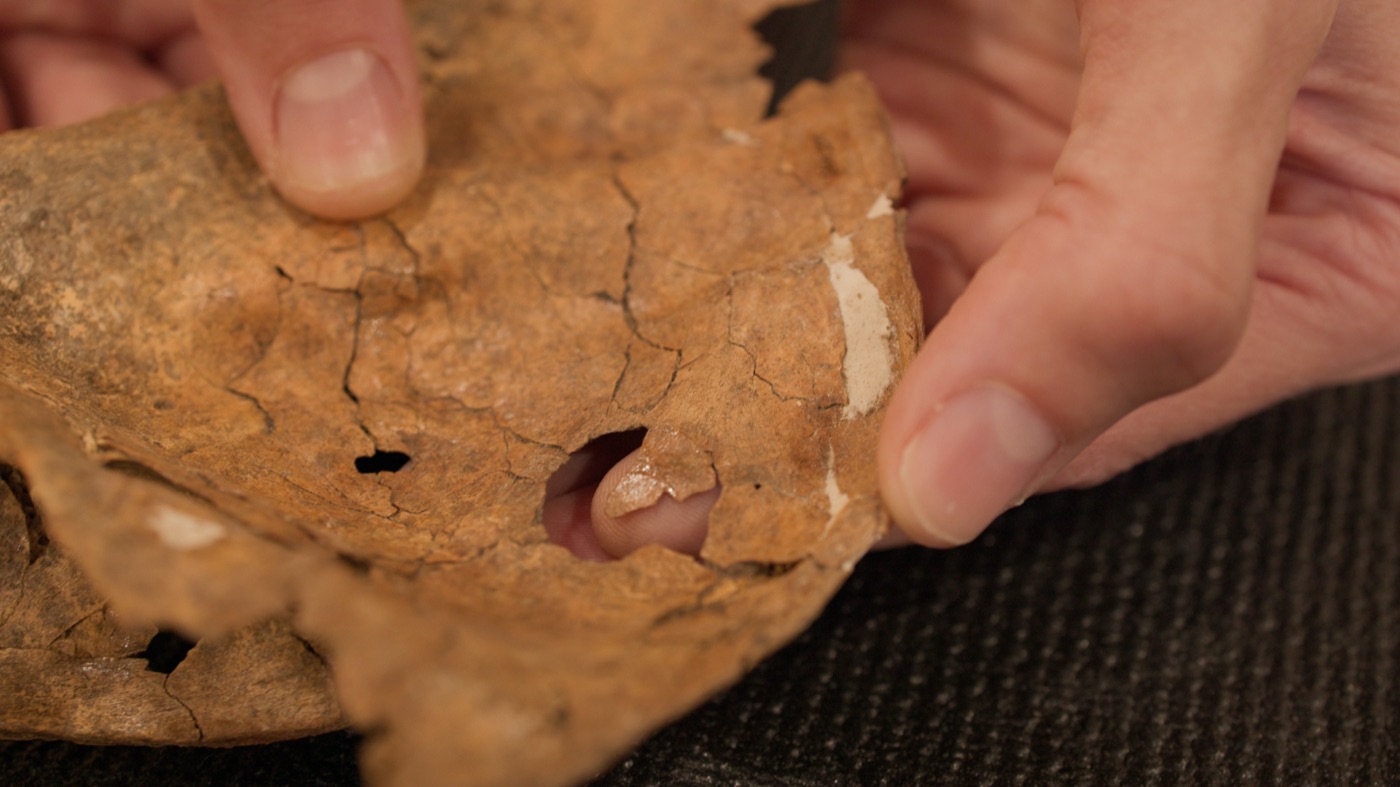
Holes like this are well known in animal shoulder blades from hunting sites, and in experiments with spears. A round hole matches a wooden spear with a rounded point. Stone-tipped spears tend to leave oval or diamond-shaped holes. The authors conclude that Shanidar A was struck in the left side of the chest by a wooden spear, which would have gone through the lungs and probably caused a quick death.
The earlier injury. One of the lower incisors had been split lengthwise, and the teeth next to it were twisted out of line. Tartar had built up over the broken surface and was then worn smooth by chewing, so Shanidar A lived with this damage for a long time. It points to a heavy blow to the mouth and jaw, perhaps a fall or a fight.
Why it matters
- Evidence of wooden weapons. Wood rarely survives, so Neanderthal spears are known from only a few places, such as Schöningen in Germany (about 200,000 years old) and Clacton in England (about 400,000 years). A wound shaped by a wooden spear is indirect evidence that people at Shanidar used them too.
- Care for the living and the dead. Living with a badly broken mouth may have needed help from others with food. After death, the body was placed in a small patch of the cave, about 1.5 by 1 metres, where Neanderthals laid their dead again and again, probably within living memory of each other. Shanidar A is the earliest of the bodies laid there.
- Not the first spear wound at Shanidar. Shanidar 3, found by Solecki, has a rib wound thought to come from a stone-tipped weapon, but that person lived around 25,000 years later.
What we still don’t know
- Accident or attack? Some news reports framed this as a possible killing. The authors say it cannot be known whether the spear wound came from a hunting accident or from violence, and nothing shows who held the spear.
- The weapon is inferred. No spear was found; the wooden point is a reading of the hole’s shape. The team is now running experiments to check whether other high-energy impacts could make a similar hole.
- One person or two? The bones fit a single individual, but the authors say they cannot rule out that some belong to someone else. A seventh tooth, a much less worn molar, almost certainly does.
- The “flower burial” is still doubted. The pollen once said to show flowers placed with Shanidar 4 is now thought to have other explanations. What the new work supports is the repeated, deliberate use of one spot for the dead.