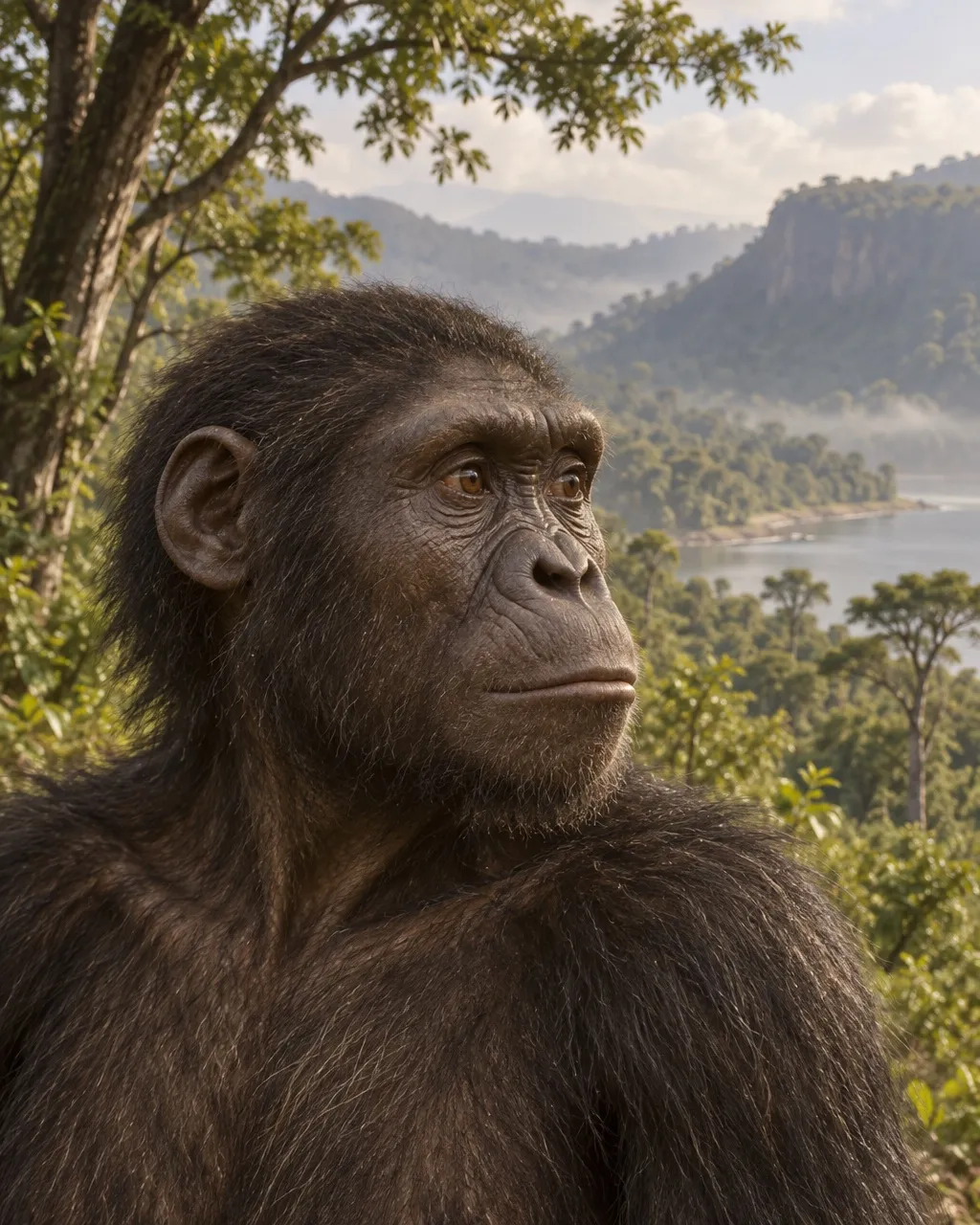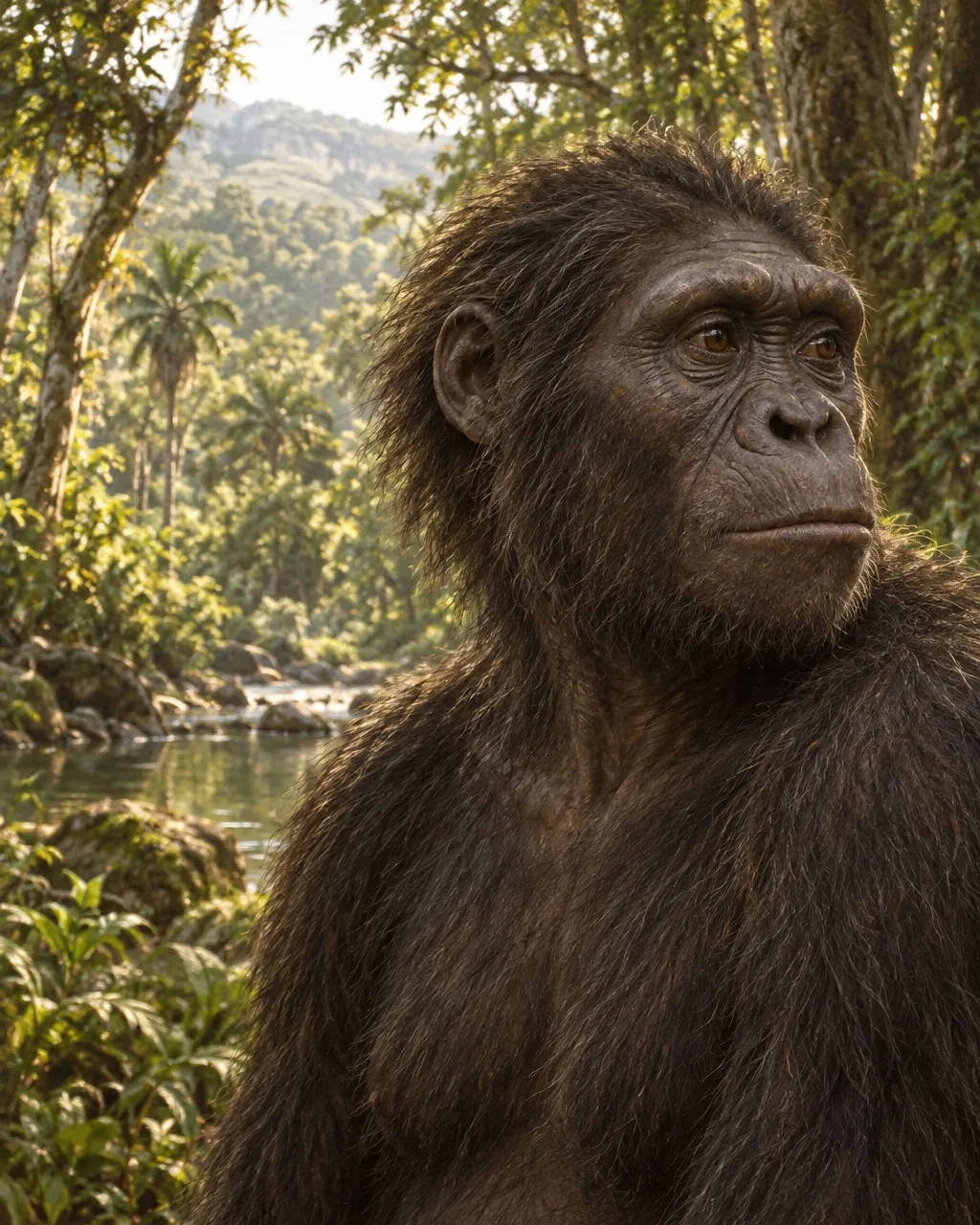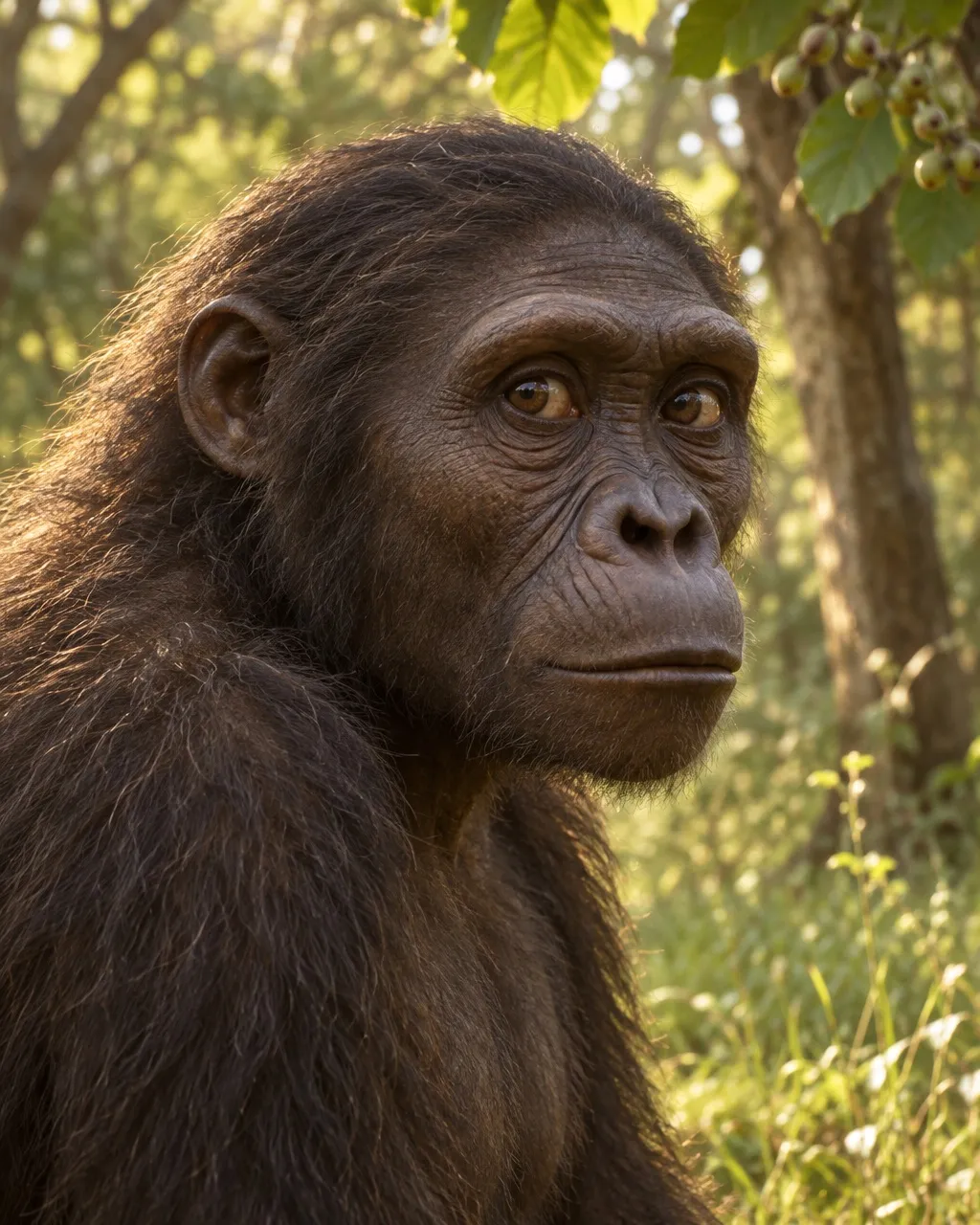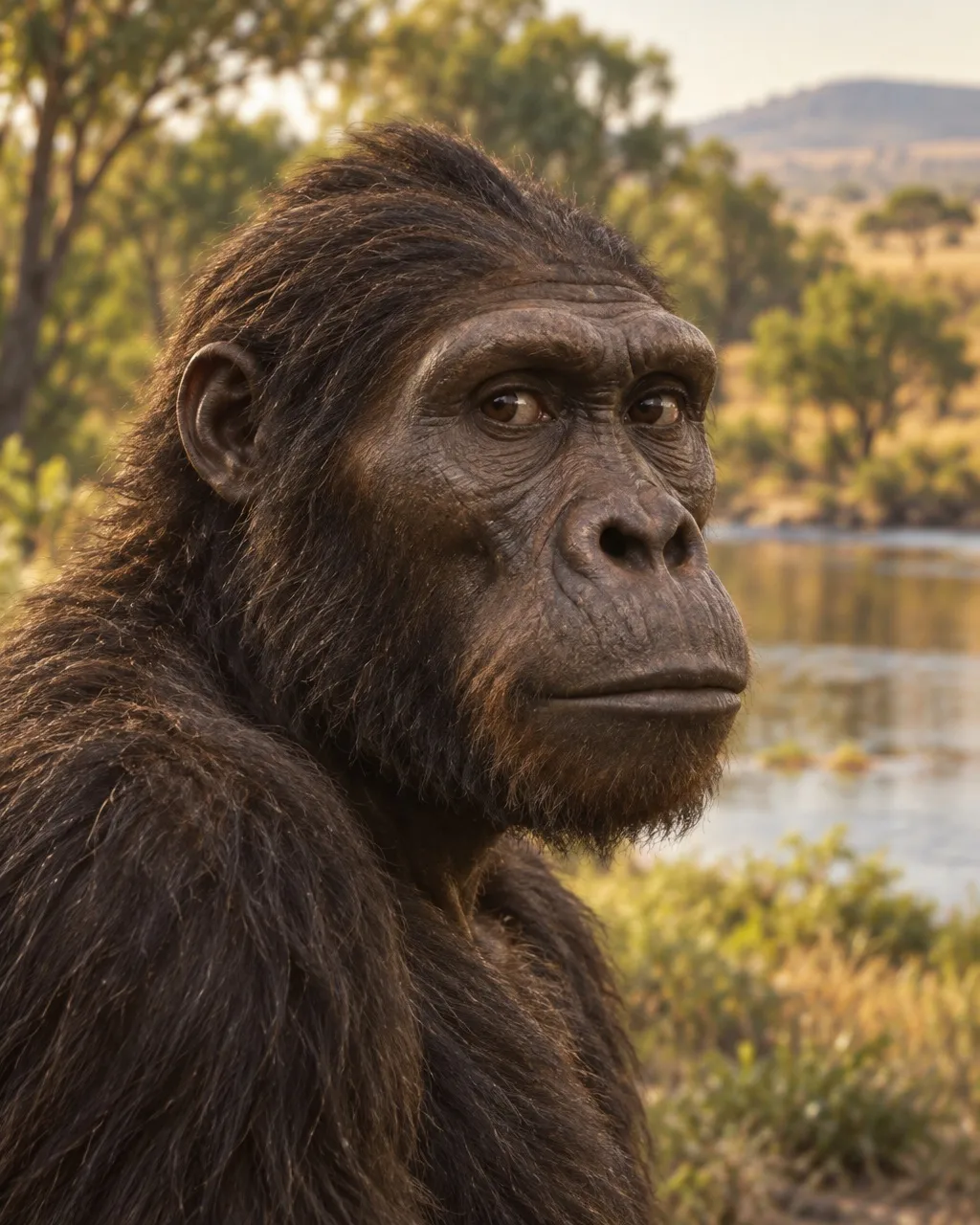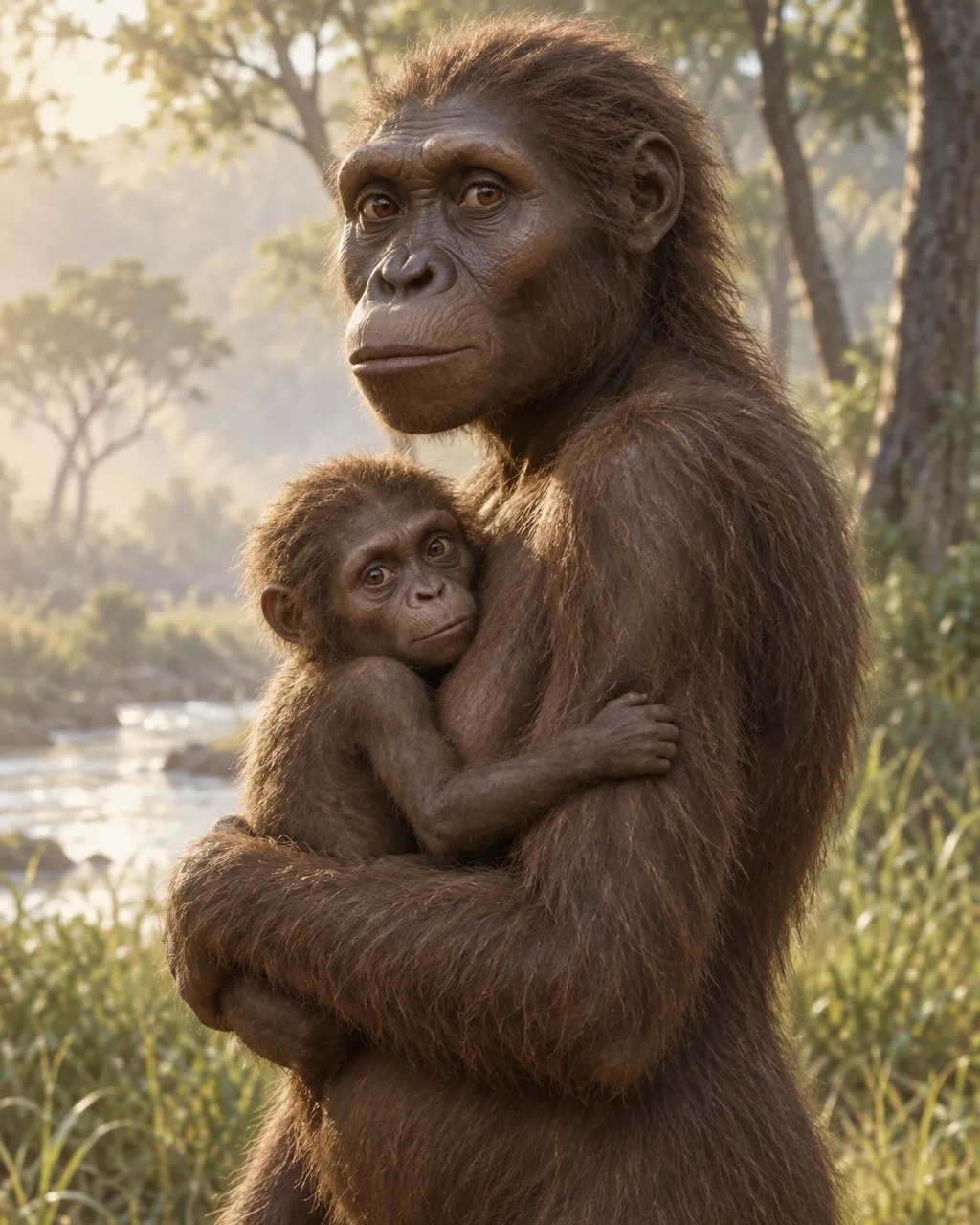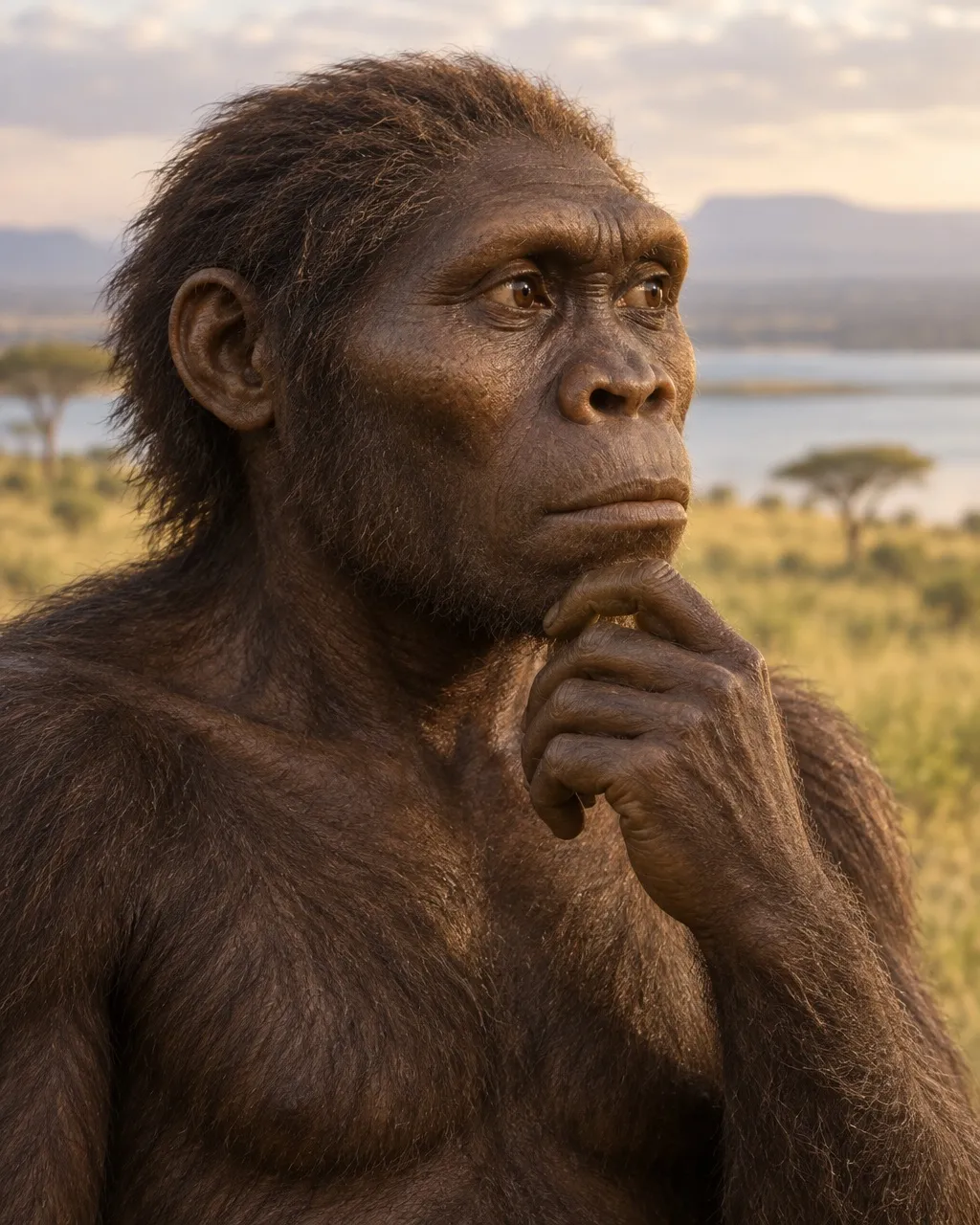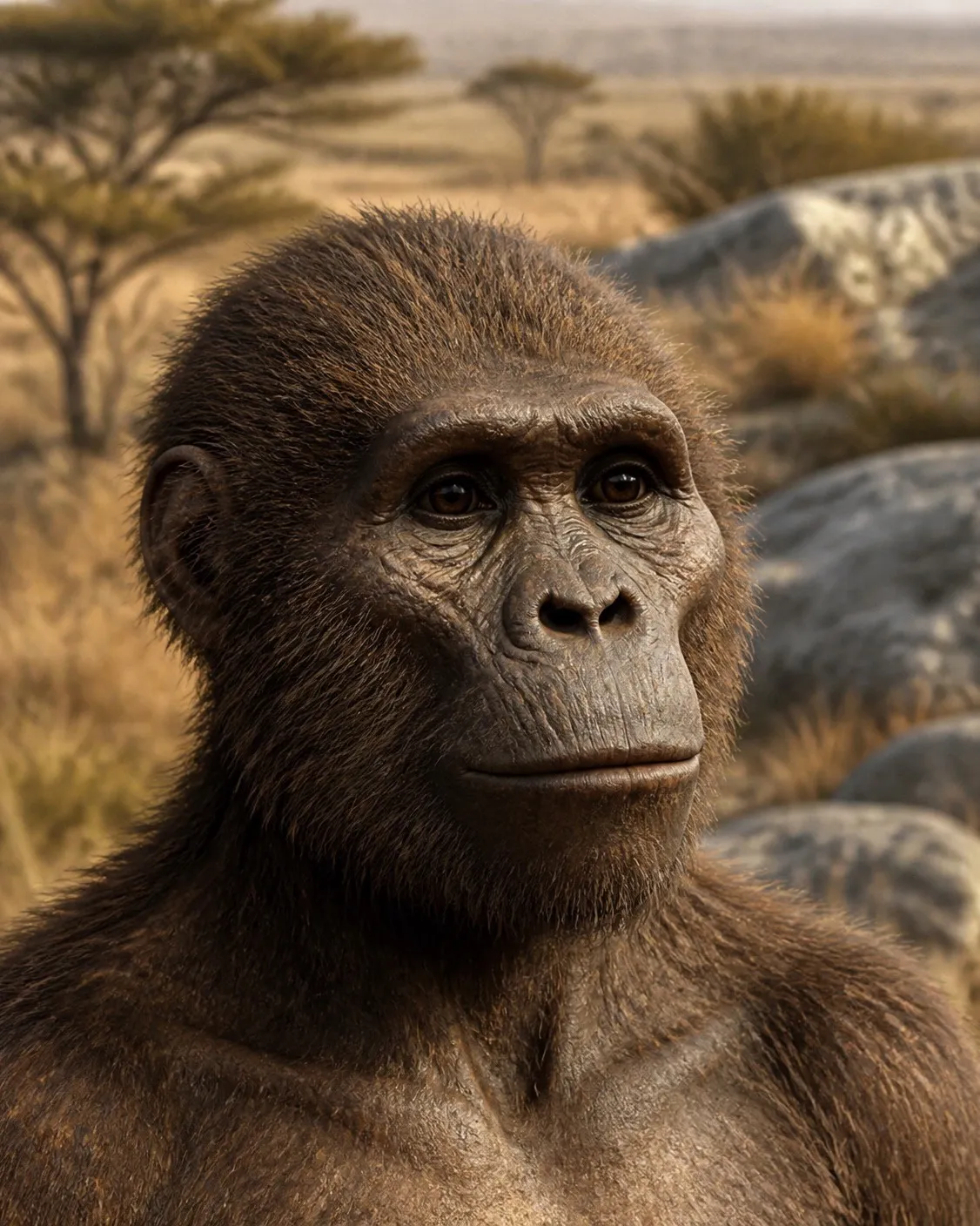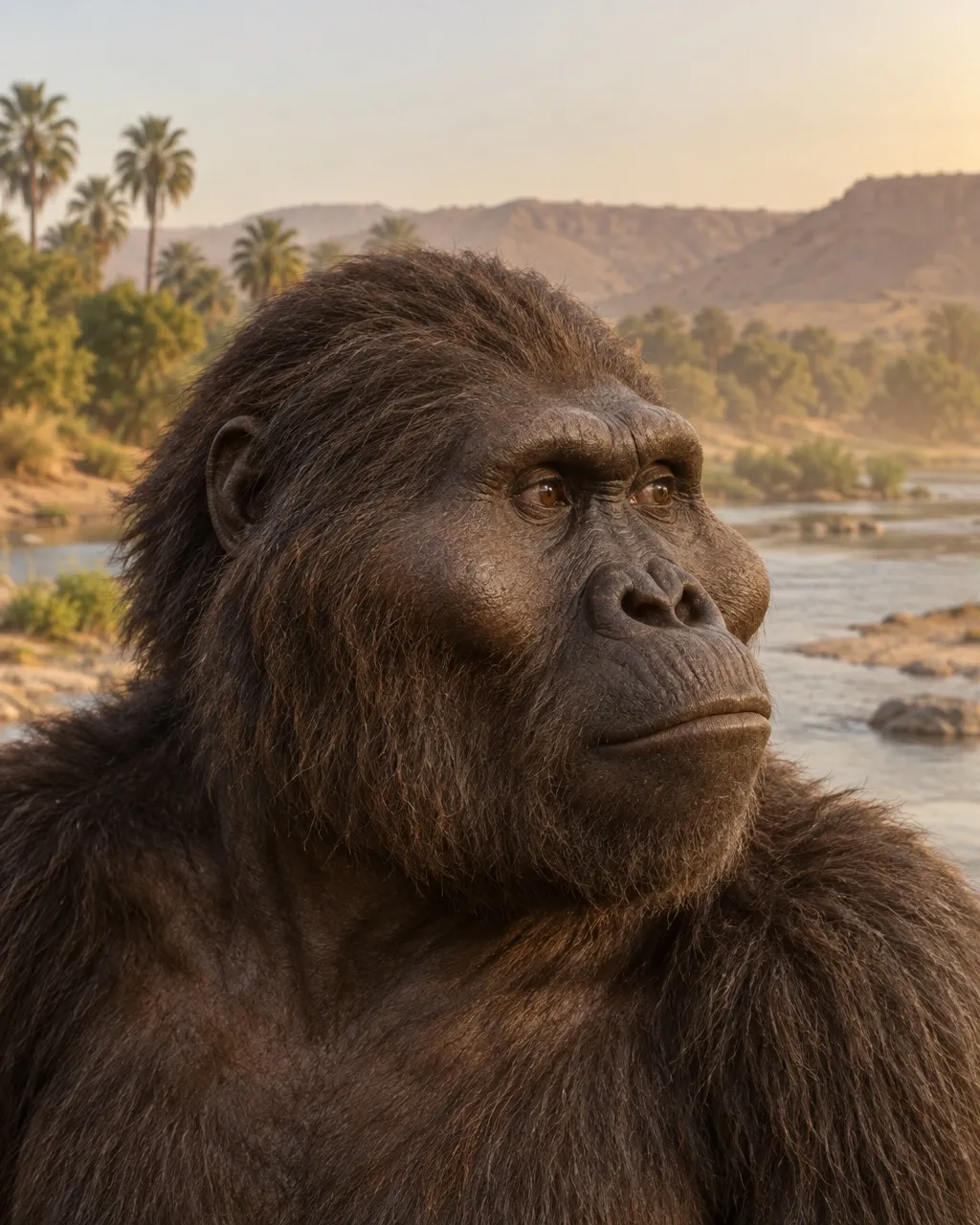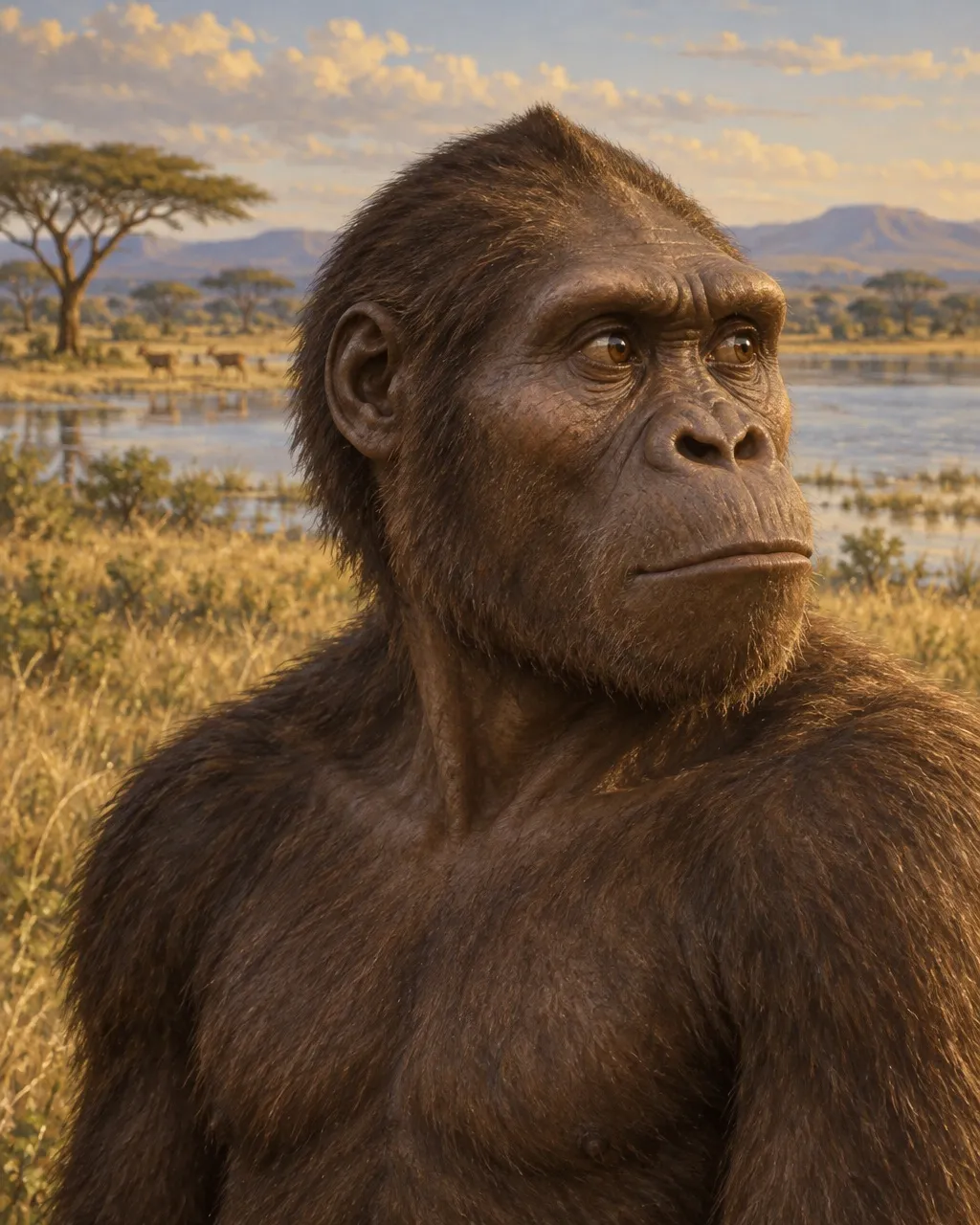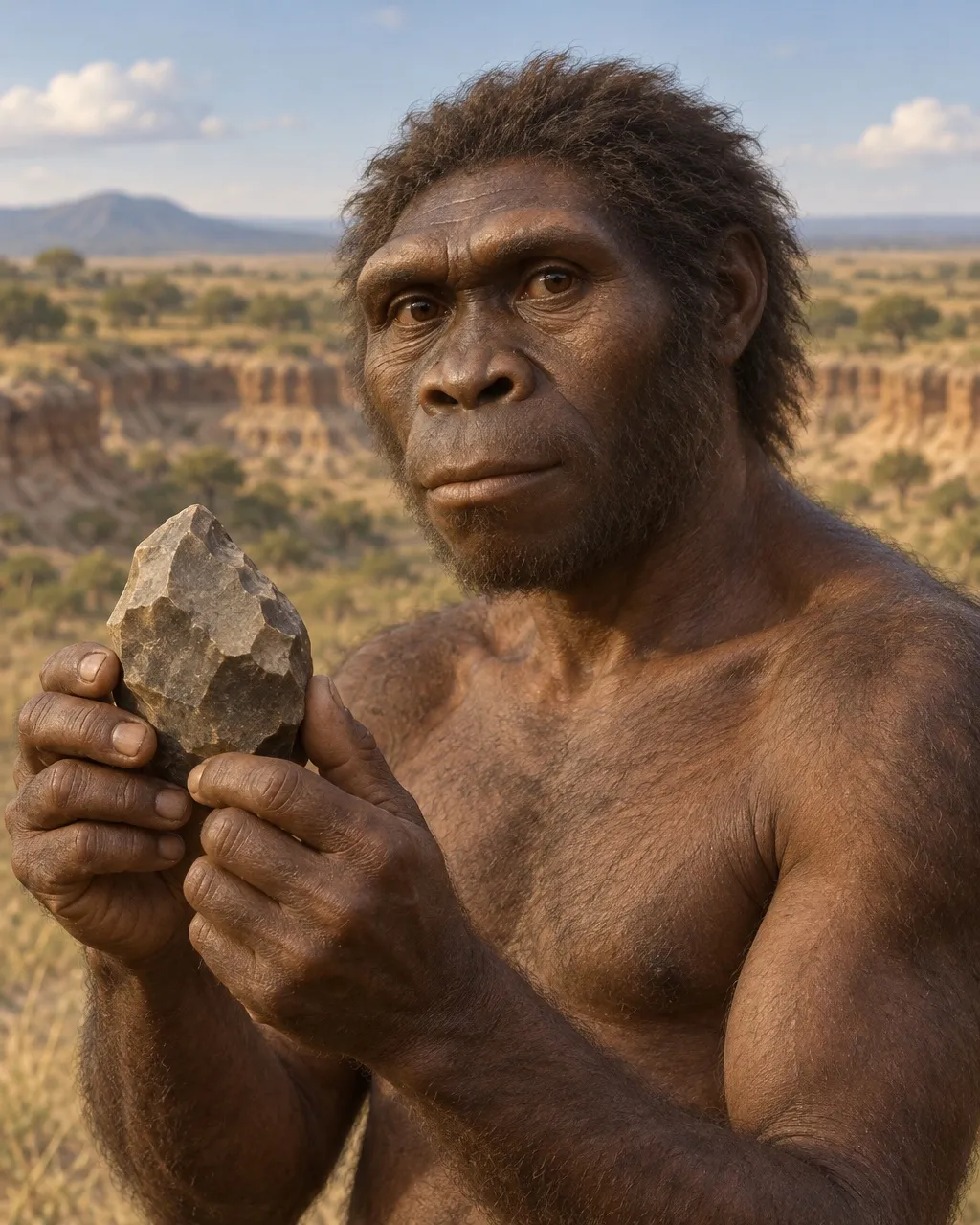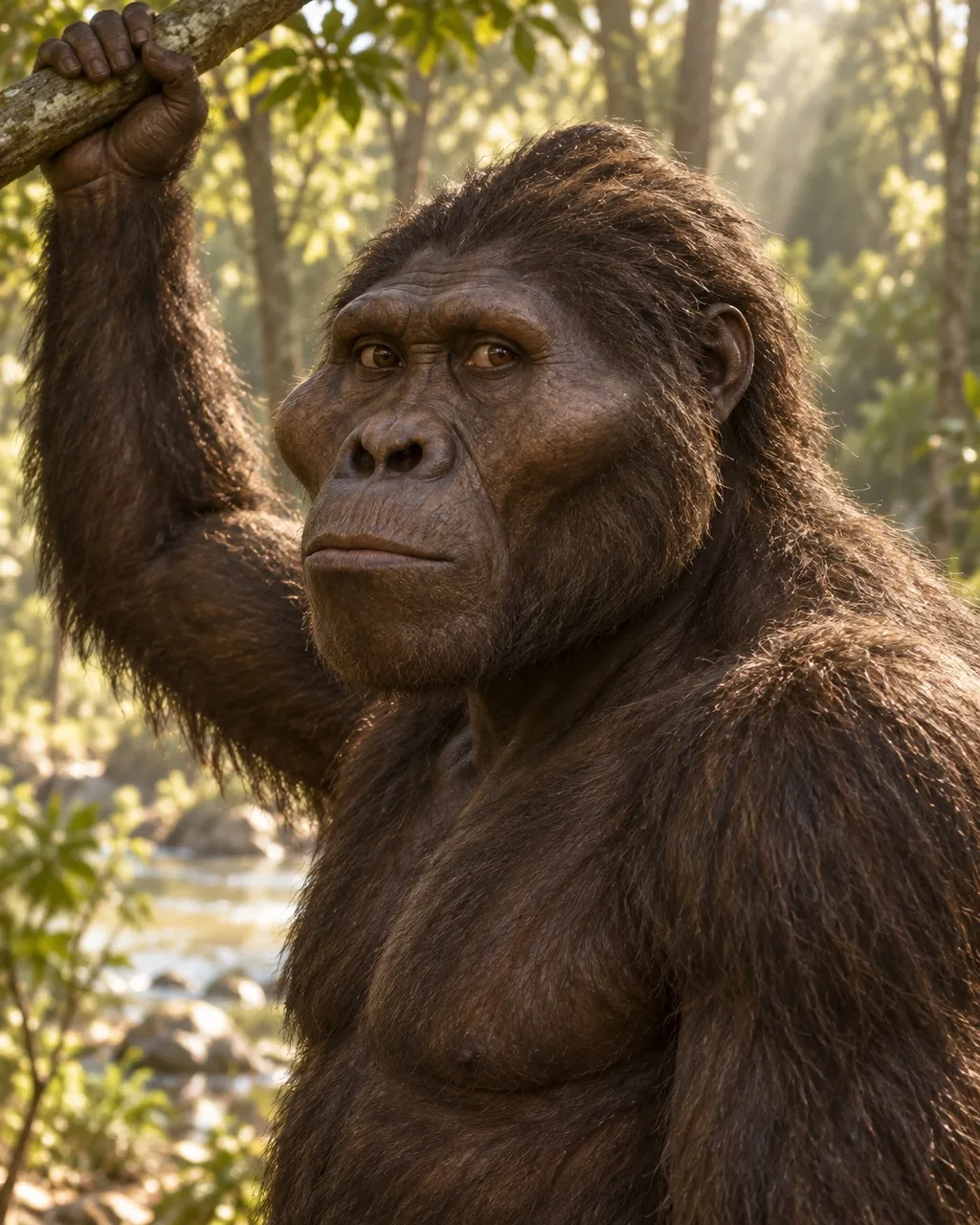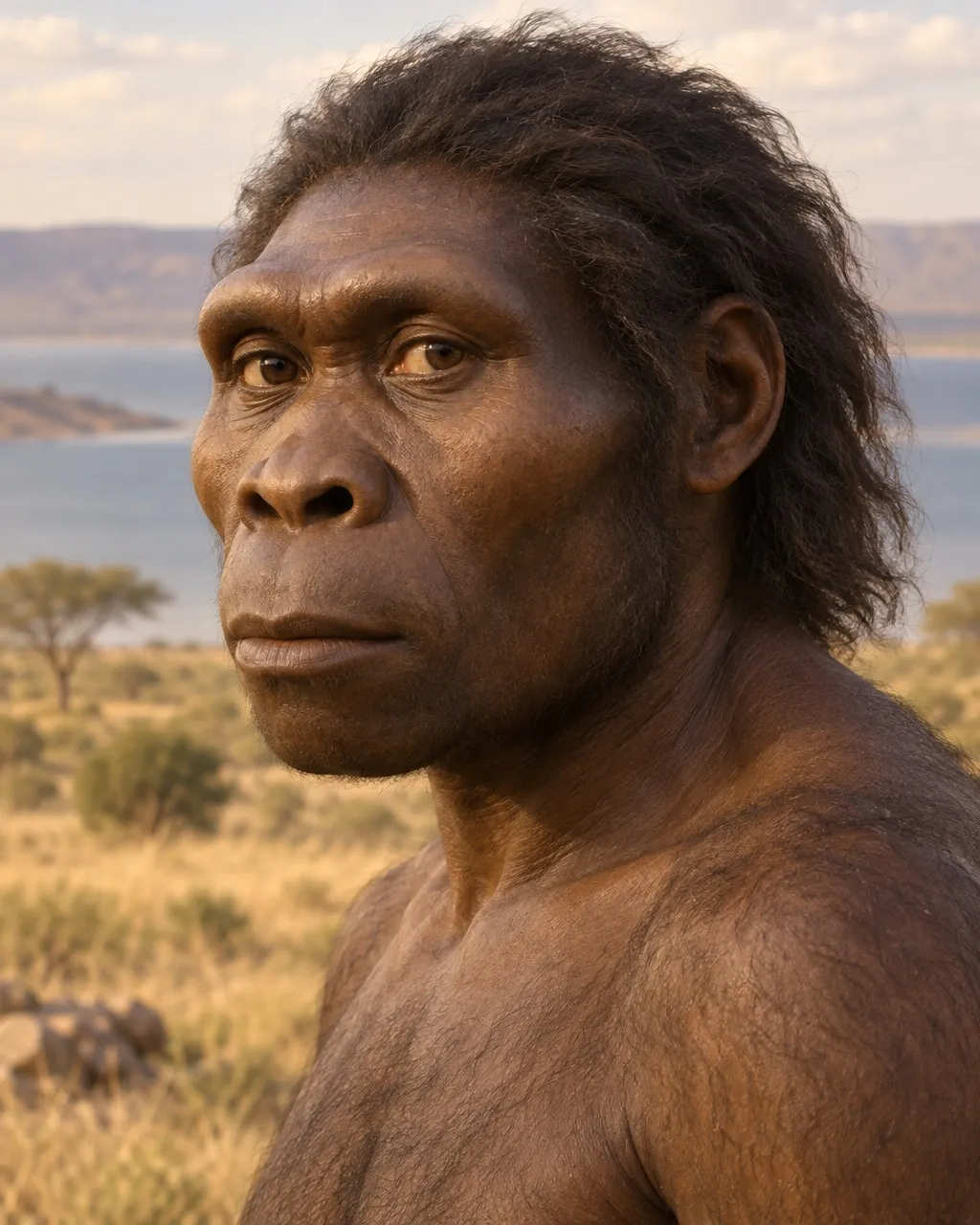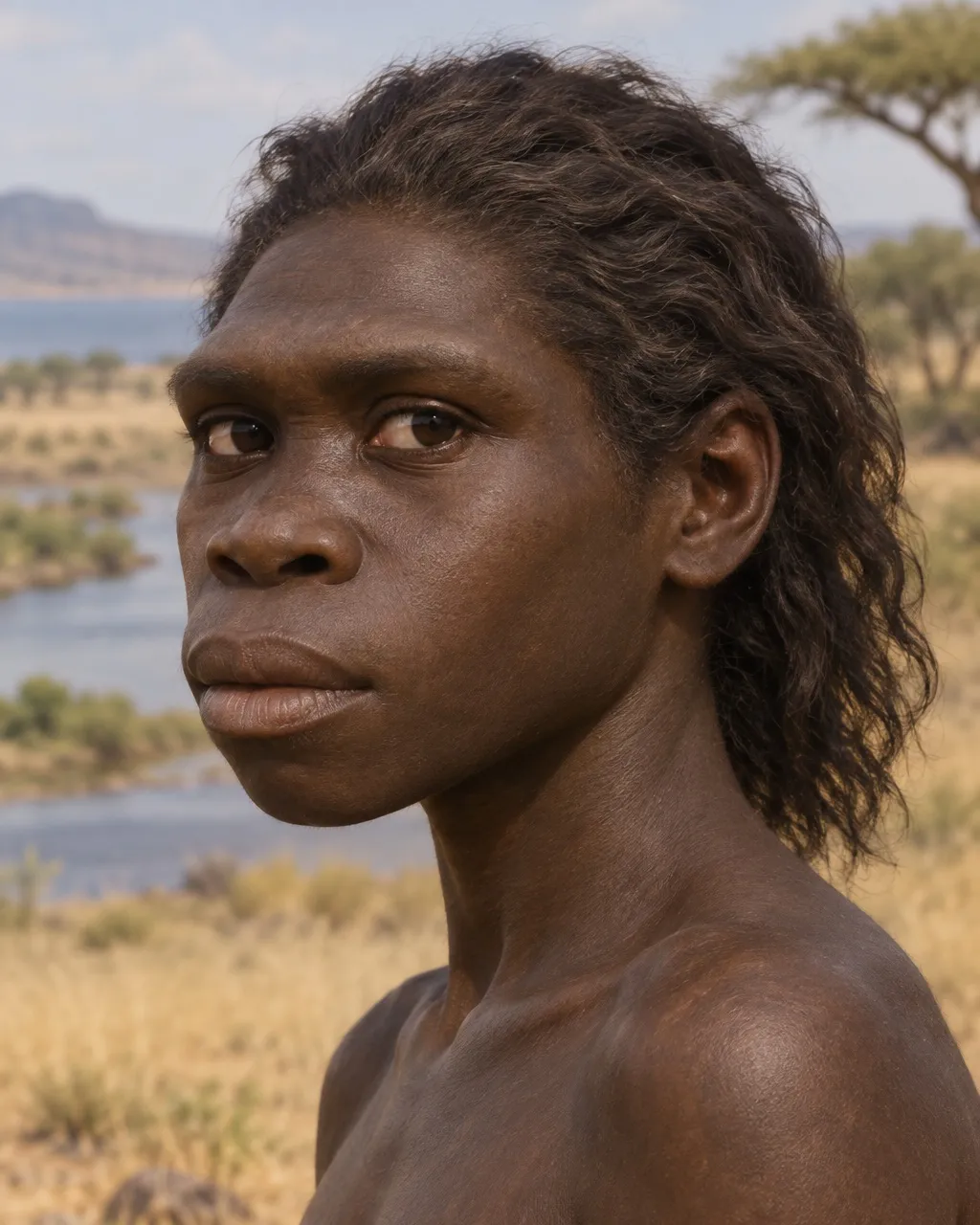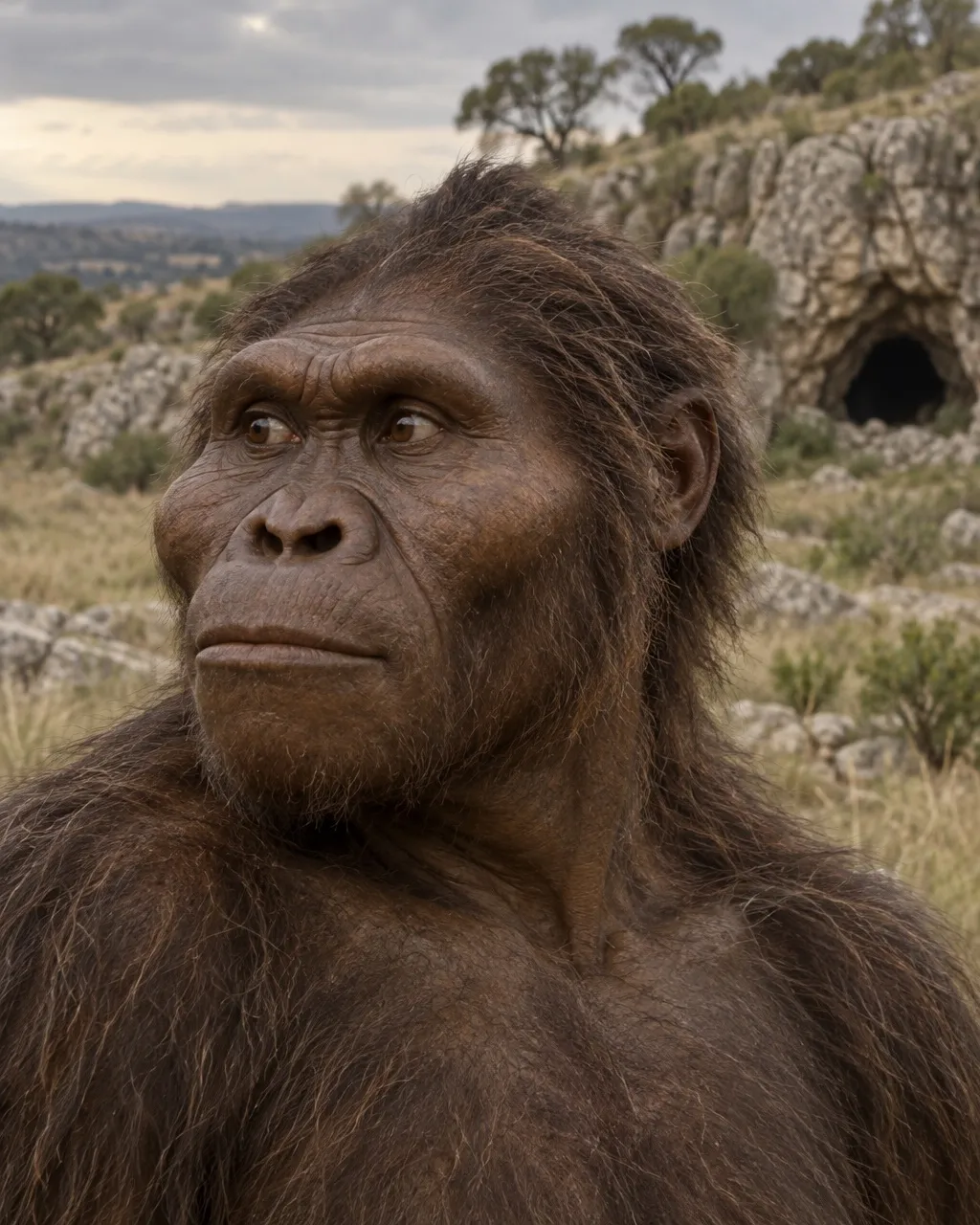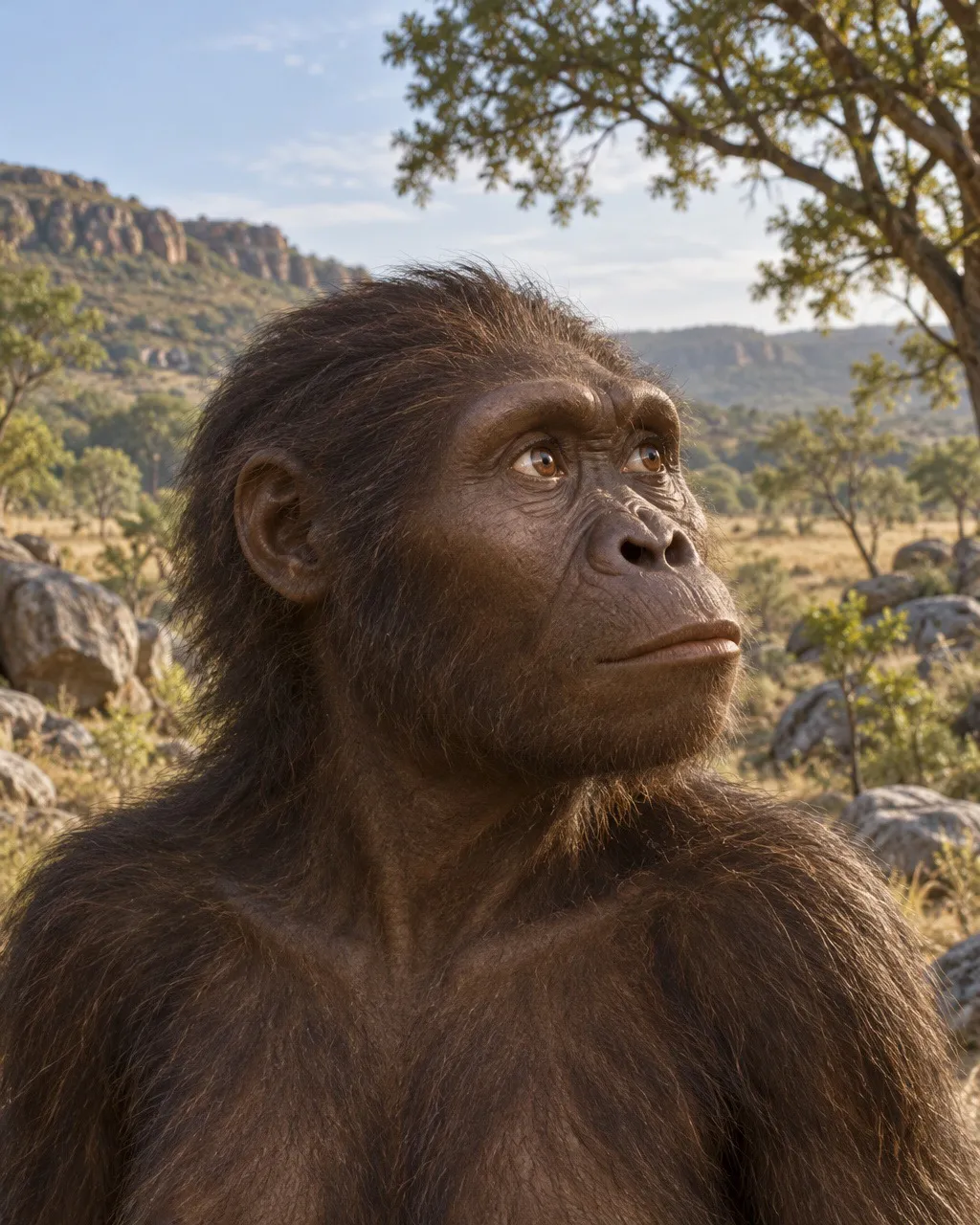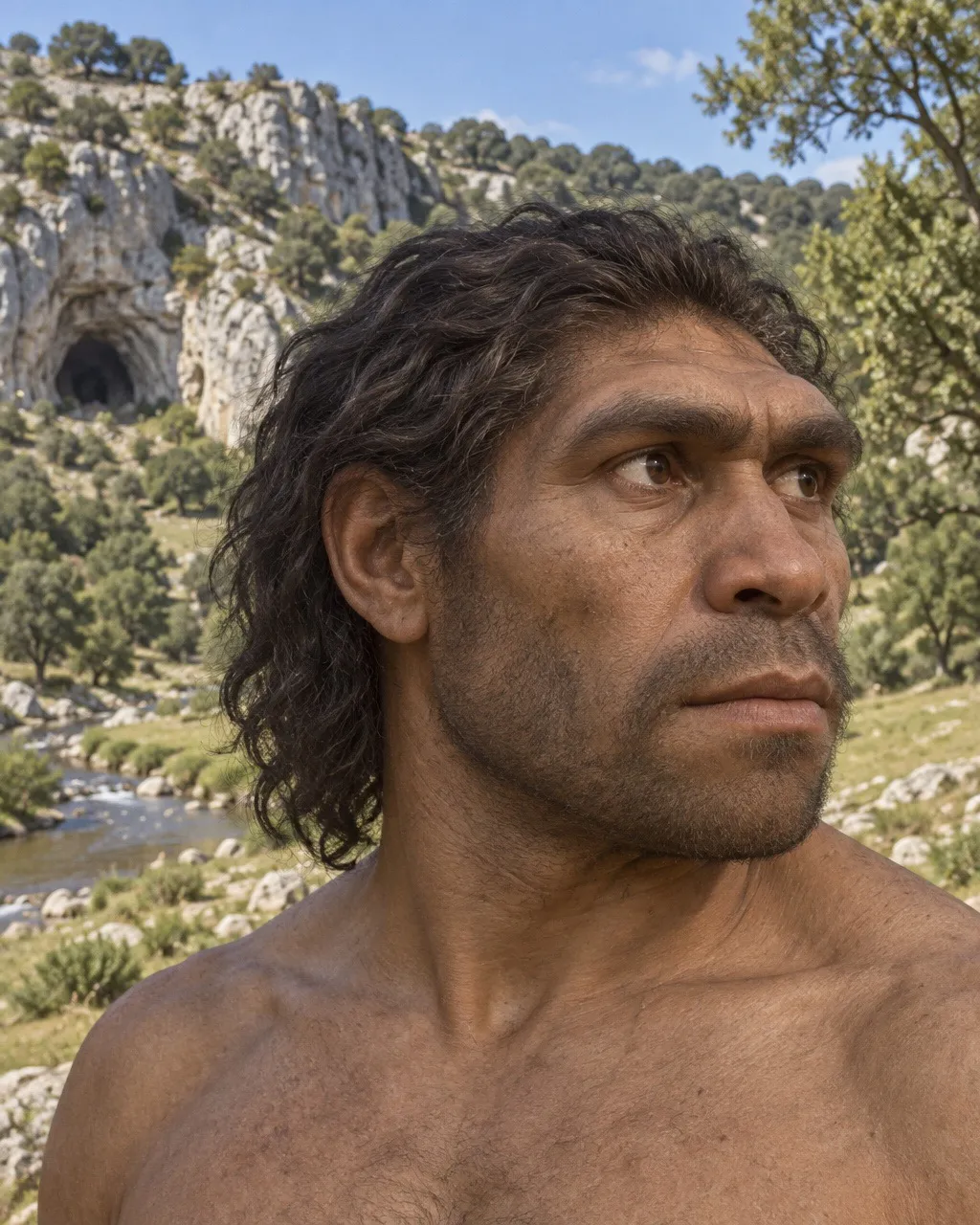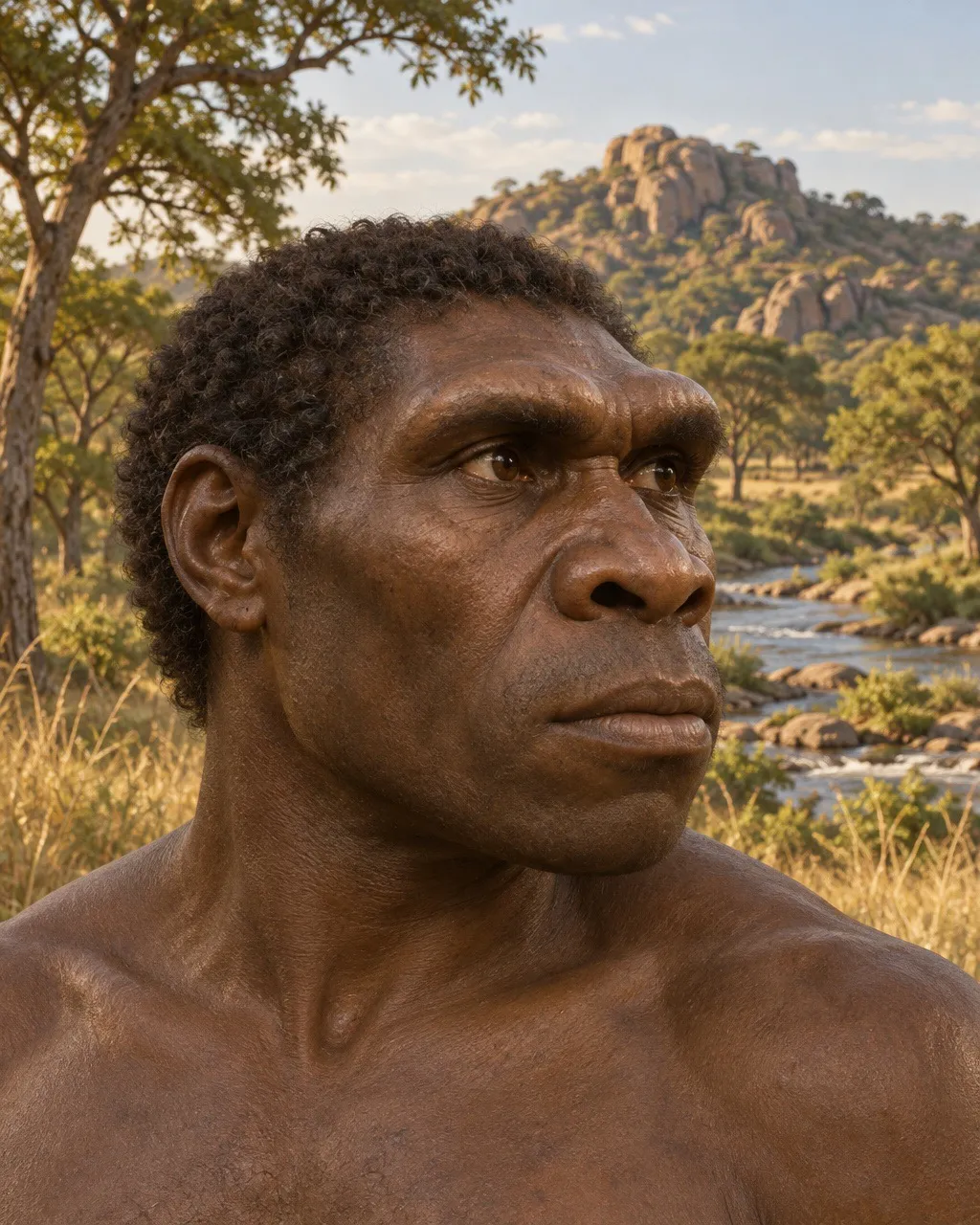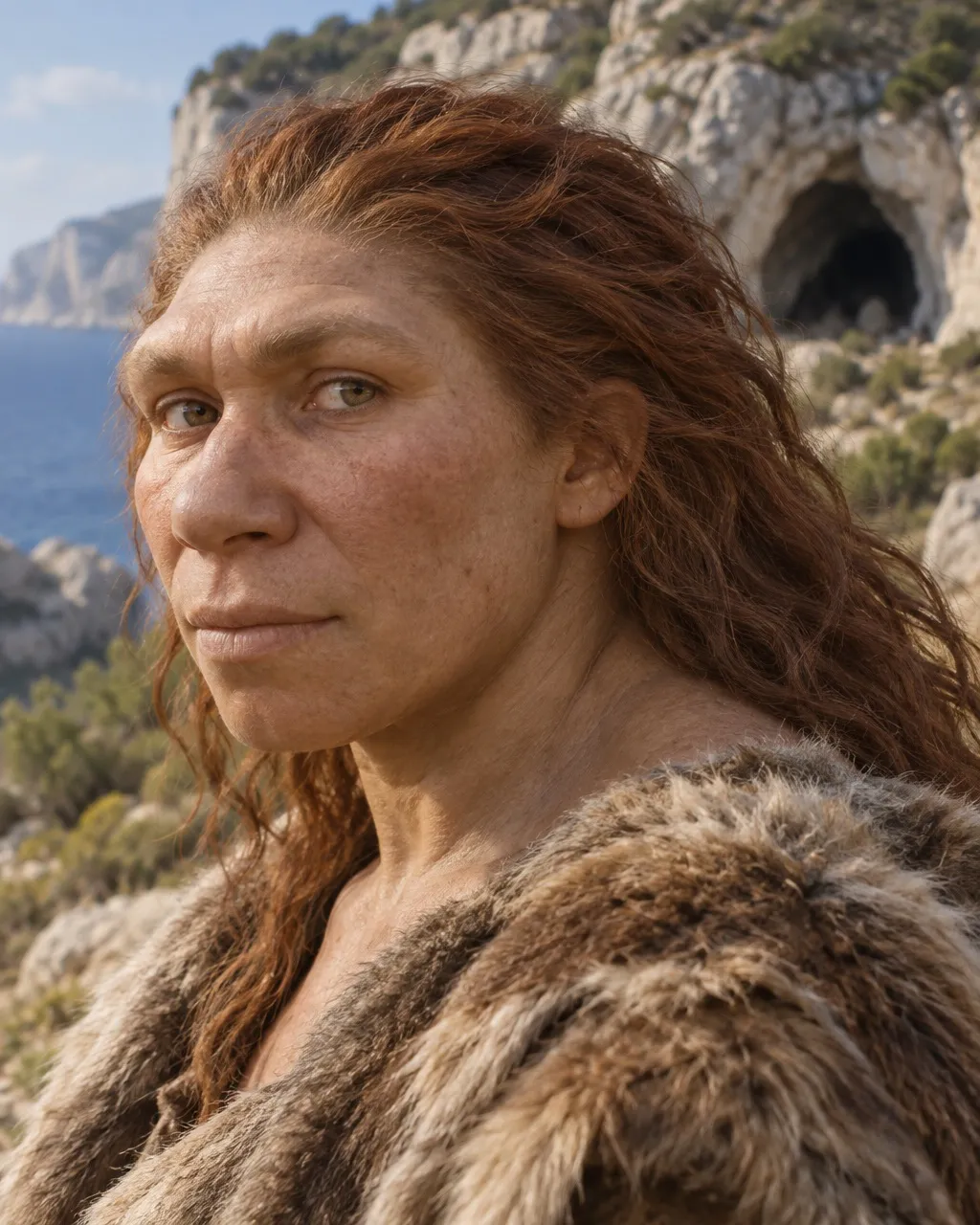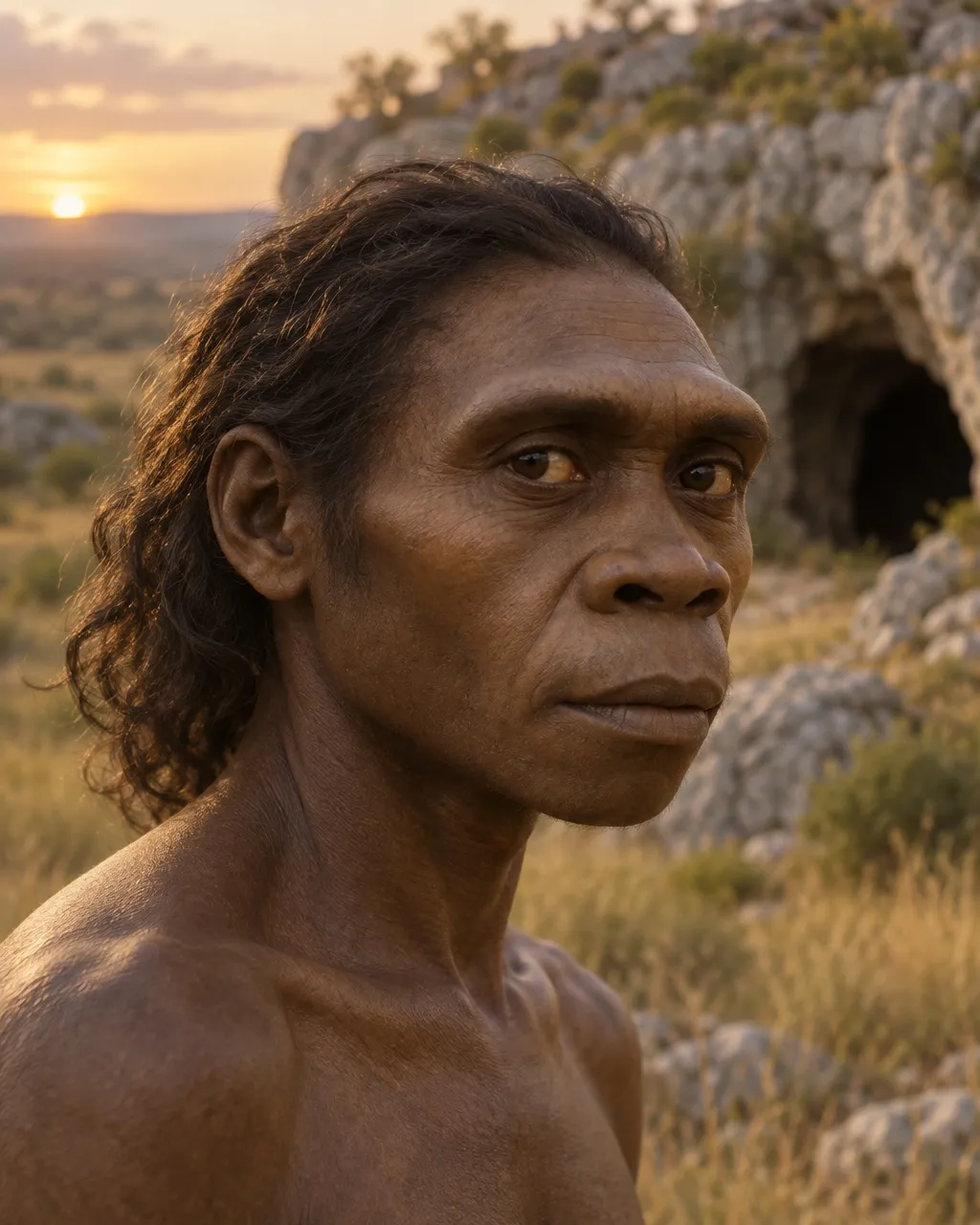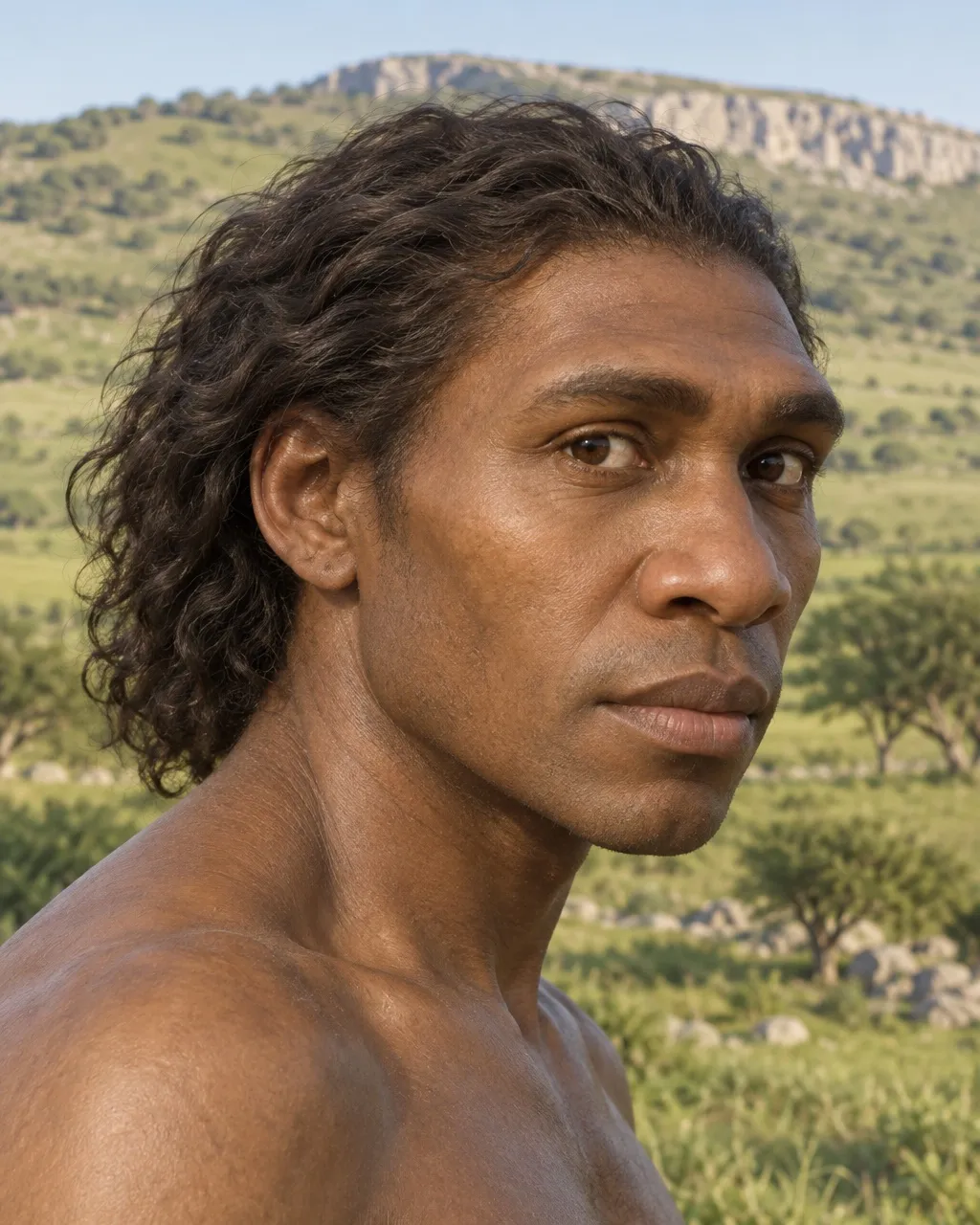
Earliest ancestors7 to 6 Ma
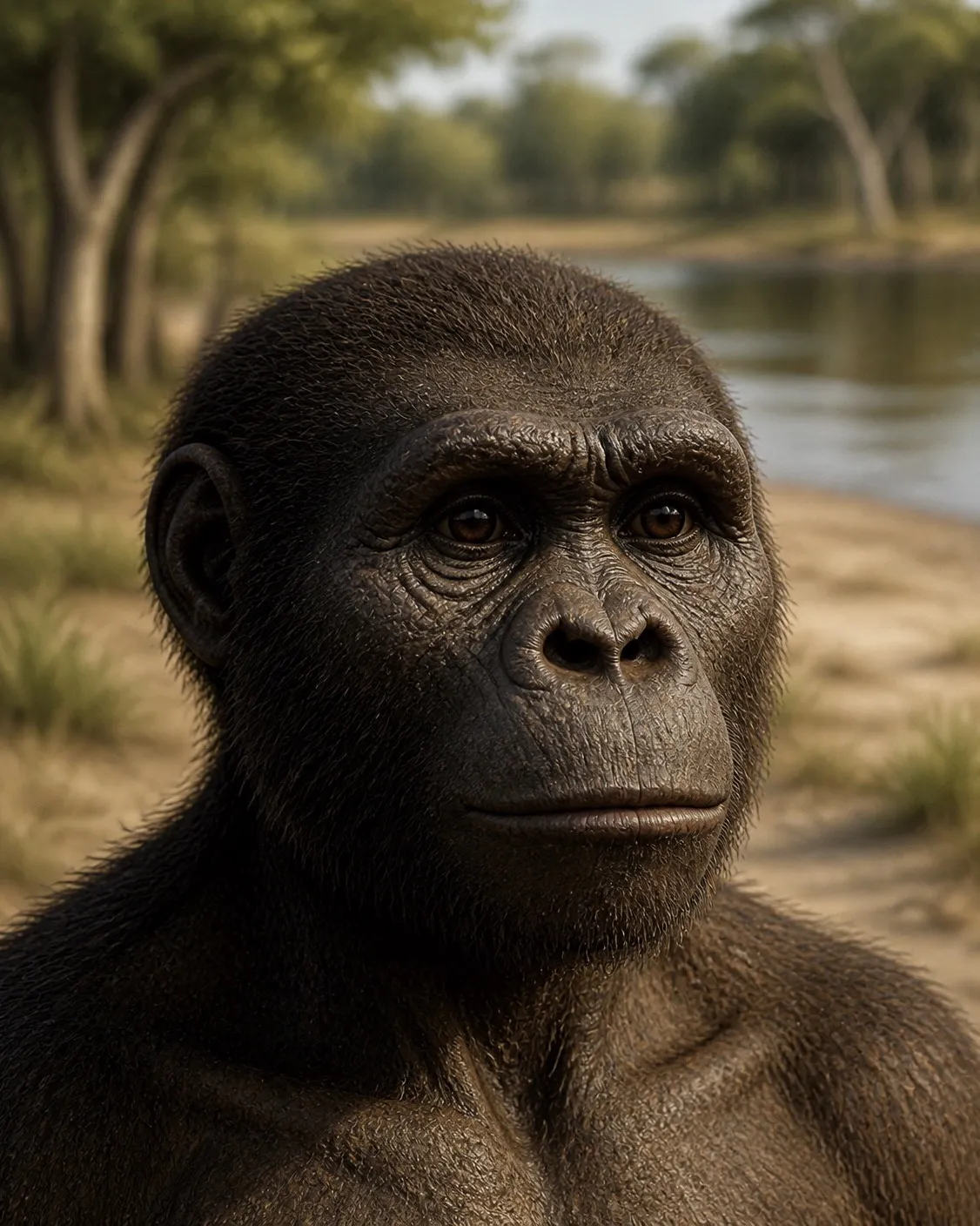
Sahelanthropus tchadensis
A skull from Chad, about 7 million years old, that may be the oldest member of the human line.
Central Africa (Chad)
Timeline of human evolution
Scroll down to travel from about 7 million years ago to today. Each species appears when it first shows up in the fossil record. Dates are rounded.
7 million years ago
Earliest ancestors7 to 6 Ma
A skull from Chad, about 7 million years old, that may be the oldest member of the human line.
Central Africa (Chad)
6.1 million years ago
Earliest ancestors6.1 to 5.7 Ma
The Millennium Man: a 6-million-year-old thigh bone built for walking.
East Africa (Kenya)
5.8 million years ago
Earliest ancestors5.8 to 5.2 Ma
Older cousin of Ardi: teeth and a toe bone from a wet Ethiopian woodland.
East Africa (Middle Awash, Ethiopia)
About 1.3 million years pass.
4.5 million years ago
Earliest ancestors4.5 to 4.3 Ma
Ardi walked upright on the ground but kept a grasping big toe for climbing trees.
East Africa (Ethiopia)
4.2 million years ago
Australopithecus4.2 to 3.8 Ma
Its leg bones show it walked upright, and a skull found in 2016 finally showed its face.
East Africa (Kenya, Ethiopia)
3.85 million years ago
Australopithecus3.85 to 2.95 Ma
Lucy's species: upright on two legs, with long arms and curved fingers for climbing.
East Africa (Ethiopia, Kenya, Tanzania)
3.5 million years ago
Kenyanthropus3.5 to 3.3 Ma
A flat-faced skull from Lake Turkana that scientists still argue about.
East Africa (Kenya)
3.3 million years ago
Australopithecus3.3 to 2.1 Ma
The Taung Child skull, described in 1925, began the search for our origins in Africa.
Southern Africa (South Africa)
2.7 million years ago
Paranthropus2.7 to 2.3 Ma
The Black Skull: a huge crest on top, a small brain, and a mineral-dark stain.
East Africa (Kenya, Ethiopia)
2.5 million years ago
Australopithecus2.5 to 2.49 Ma
Big teeth, a small brain and butchered bones: the surprise of Bouri.
East Africa (Bouri, Middle Awash, Ethiopia)
2.4 million years ago
Homo2.4 to 1.4 Ma
The 'handy man', one of the first of our genus, linked with early stone tools.
East Africa (Tanzania, Kenya, Ethiopia), possibly South Africa
2.3 million years ago
Paranthropus2.3 to 1.2 Ma
Enormous cheek teeth and a heavy jaw, with a brain little bigger than a chimp's.
East Africa (Ethiopia, Kenya, Tanzania, Malawi)
2.1 million years ago
Homo2.1 to 1.78 Ma
The flat-faced early Homo that lived beside Homo habilis.
East Africa (Kenya, Malawi)
2 million years ago
Homo2 to 0.11 Ma
The first with a body built much like ours, and the first to spread far beyond Africa.
Africa and Asia (possibly Europe)
2 million years ago
Paranthropus2 to 1.2 Ma
Big grinding teeth from South Africa's caves, the first robust australopith ever found.
Southern Africa (South Africa)
1.98 million years ago
Australopithecus1.98 to 1.97 Ma
A boy's find: a southern ape with a strangely human hand.
South Africa
About 1.1 million years pass.
900,000 years ago
Homo0.9 to 0.78 Ma
The pioneer: Europe's early humans, with a strikingly modern face.
Europe (Spain)
700,000 years ago
Homo0.7 to 0.2 Ma
Big brains, huge brows, and a name scientists cannot agree on.
Africa and Europe
430,000 years ago
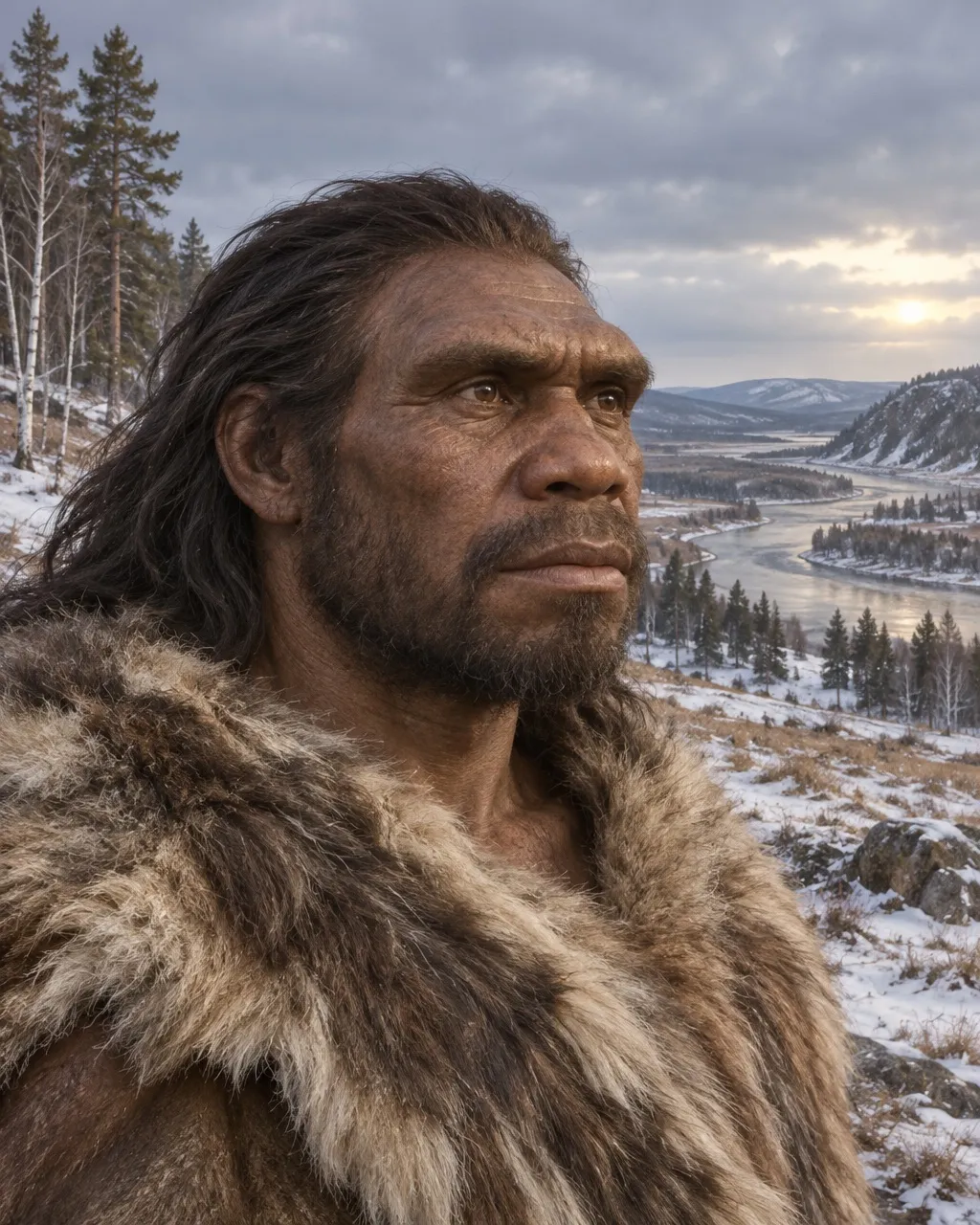
Homo0.43 to 0.04 Ma
Big-brained toolmakers who made fire. Many people today carry a little of their DNA.
Europe and western Asia
335,000 years ago
Homo0.335 to 0.236 Ma
A small-brained human from a South African cave, alive at the same time as early Homo sapiens.
South Africa (Rising Star Cave, Cradle of Humankind)
300,000 years ago
Homo0.3 Ma to today
Our own species: in Africa at least 300,000 years ago, and now the only human species left.
Worldwide
200,000 years ago
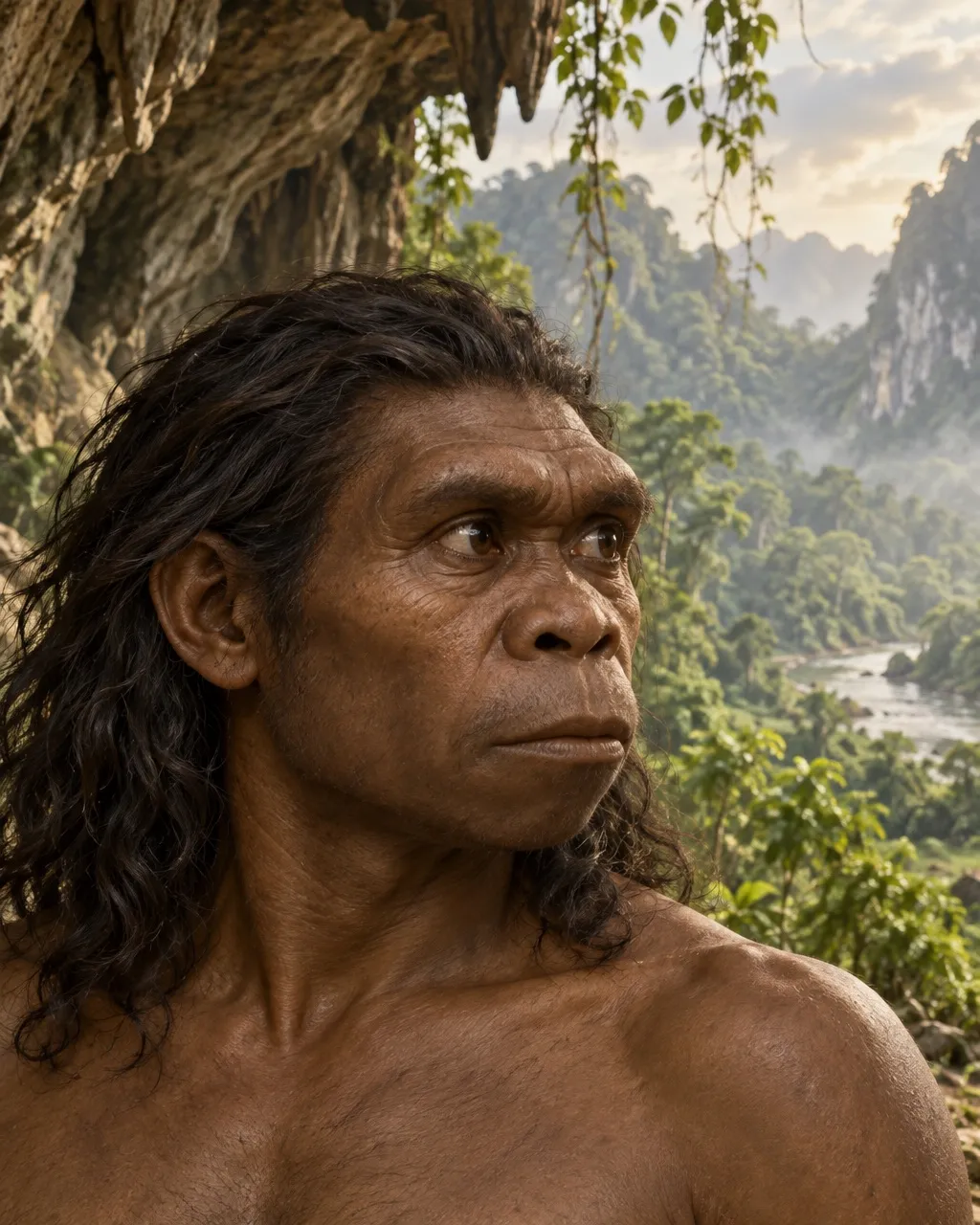
Homo0.2 to 0.04 Ma
Found by their DNA first, then given a face by the Harbin skull.
Asia (Siberia, China, Tibet, Taiwan, Laos)
190,000 years ago
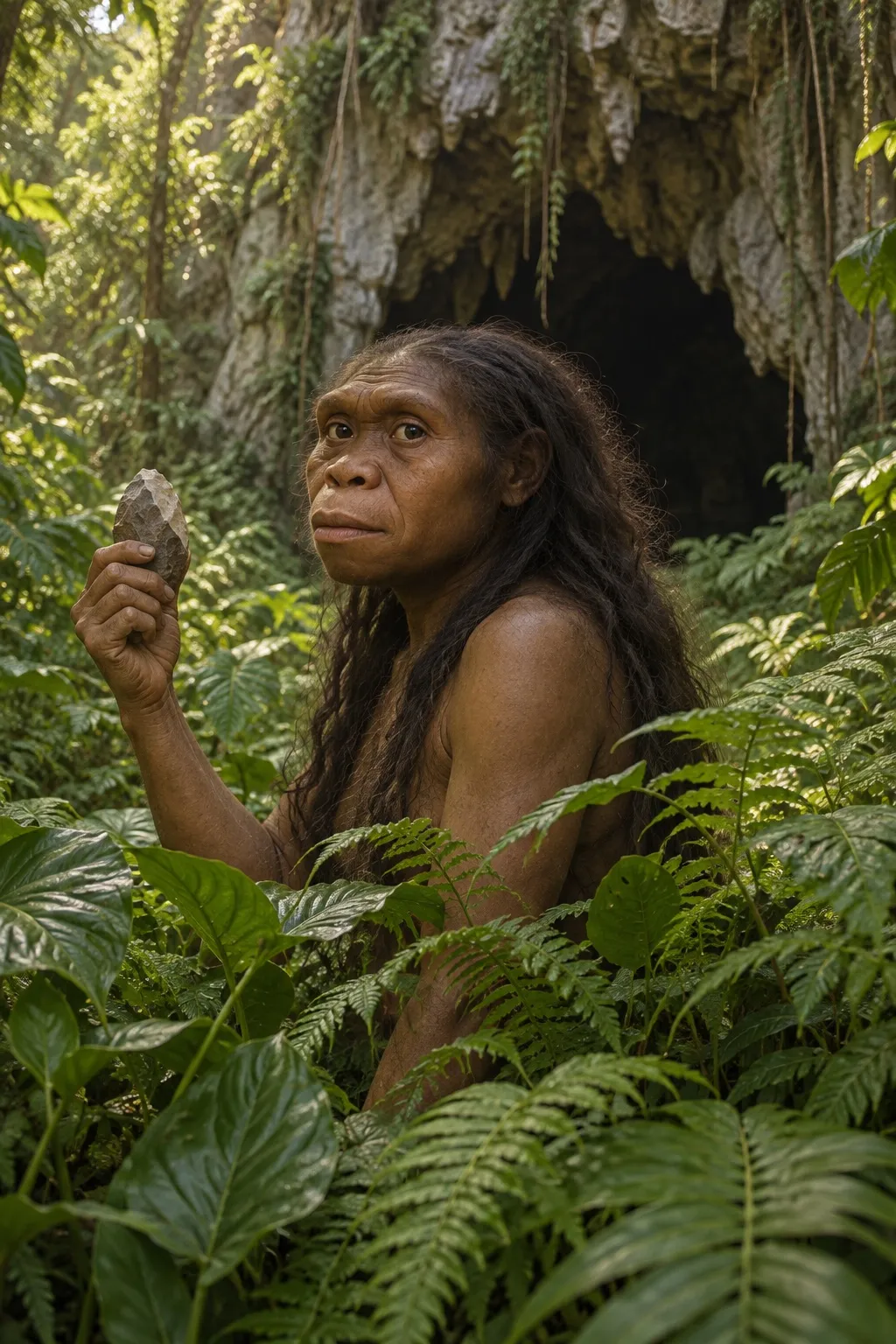
Homo0.19 to 0.05 Ma
A metre-tall human with a chimp-sized brain, alone on an island.
Flores, Indonesia
67,000 years ago
Homo0.067 to 0.05 Ma
A second island human, found in a cave in the Philippines.
Luzon, Philippines
Today
Of all the species on this page, only one is still here: us.