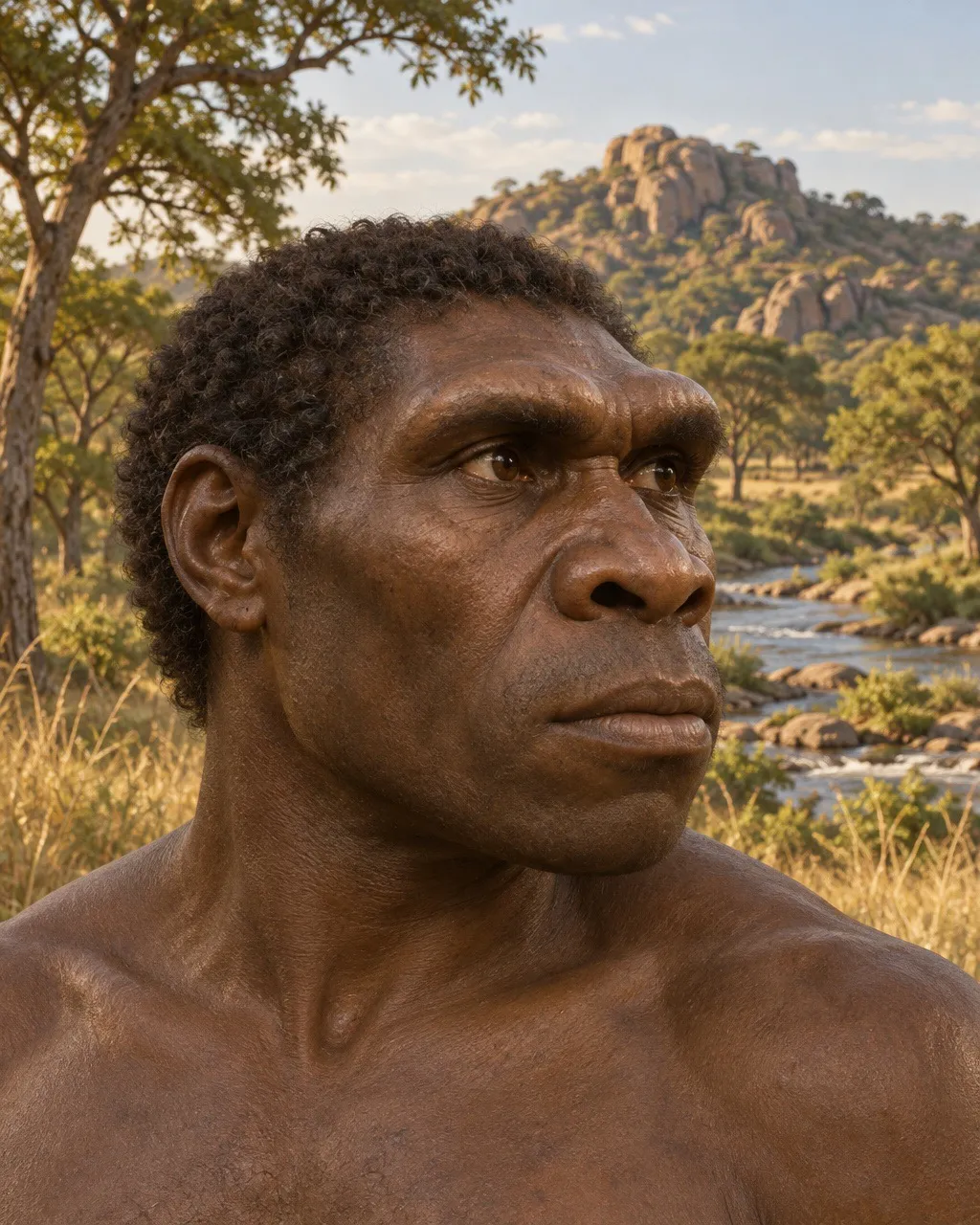
The skull under the face
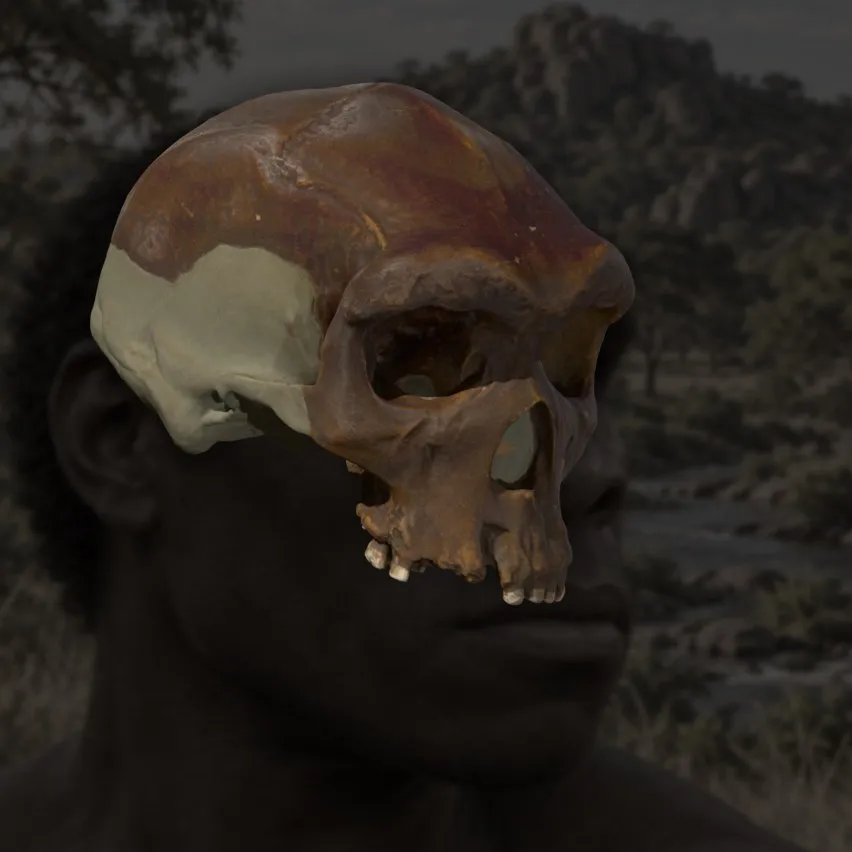
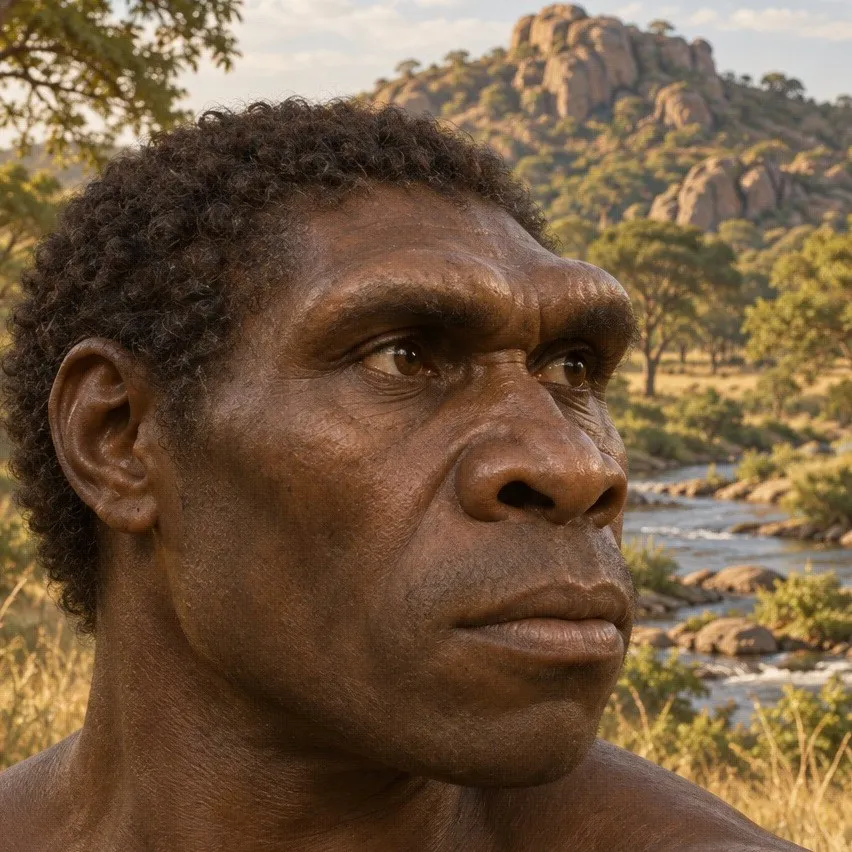
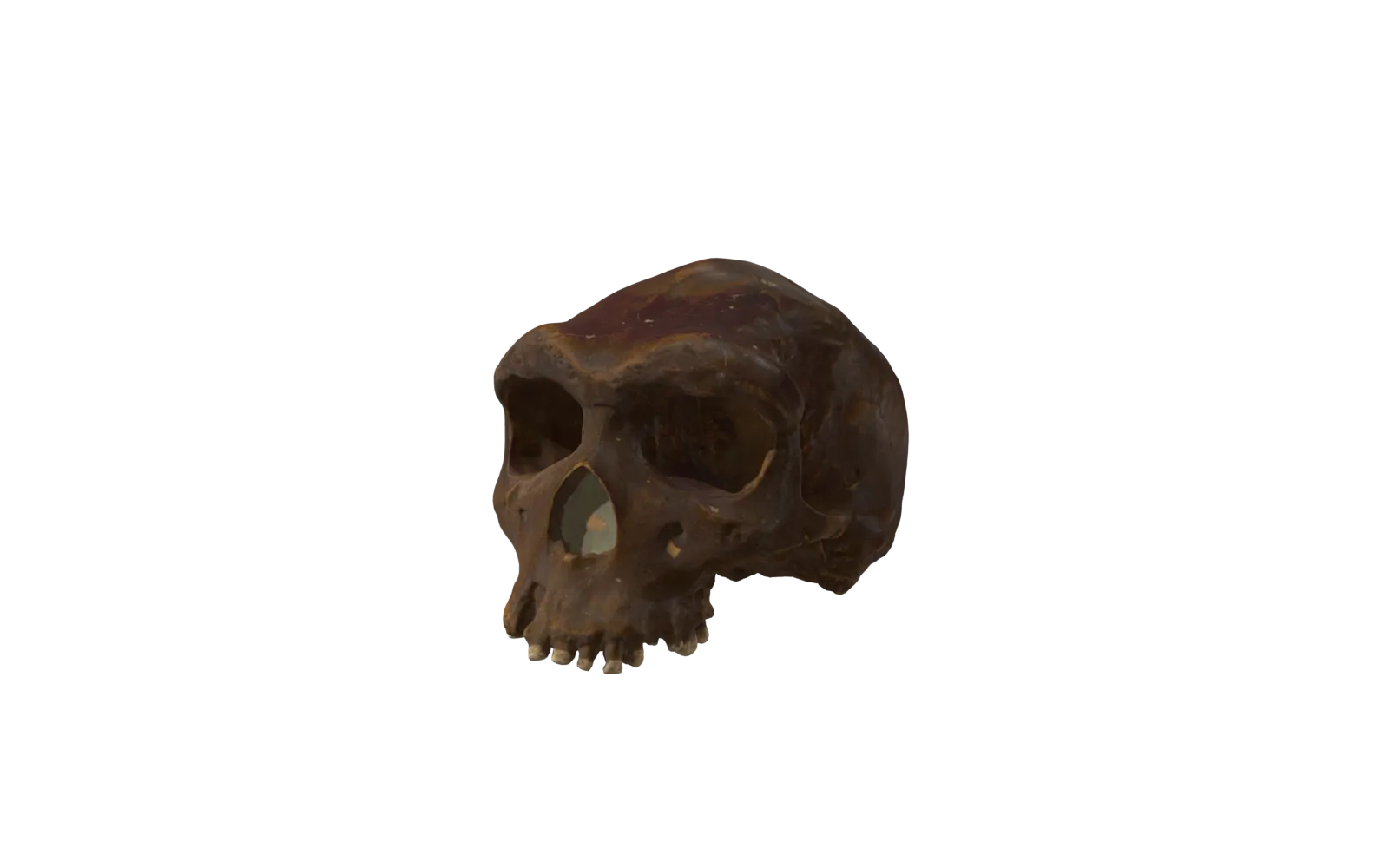
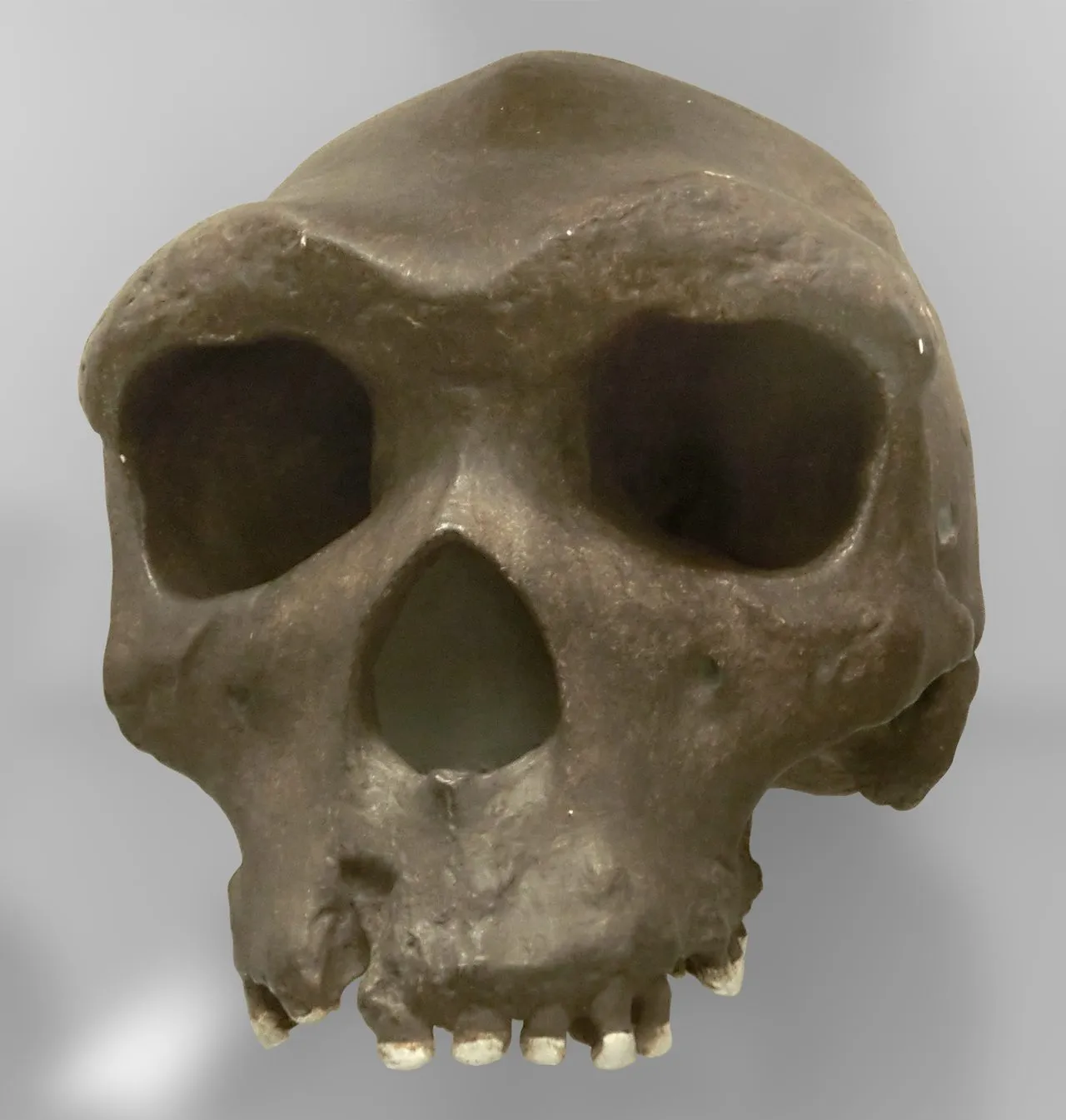
The skull in brief
Kabwe 1, also called the Broken Hill skull, is one of the best-preserved skulls of any early human. It has a massive brow ridge, a long, low braincase and a big, broad face, with a brain of about 1,300 cubic centimetres, which is inside the range of people today. It is usually placed in Homo heidelbergensis, and it was the first early human fossil ever found in Africa.
The find
The skull turned up on 17 June 1921 at Broken Hill in Northern Rhodesia, now Kabwe in Zambia, in a cave deposit that miners were digging through for lead and zinc ore. A Swiss miner, Tom Zwiglaar (also spelled Zwigelaar), and an African miner working with him, whose name was not recorded, found it at the back of the cave. A shin bone lay close by. The mining company sent the skull to the British Museum in London, and later that year Arthur Smith Woodward gave it a new species name, Homo rhodesiensis, “Rhodesian Man”.
How old it is
The mine quarried the cave away completely, so for decades nobody could date the skull properly, and it was usually guessed to be about 500,000 years old. In 2020 a team led by Rainer Grün, with Chris Stringer of the Natural History Museum, dated the skull itself and got a best estimate of about 299,000 years, give or take 25,000.
That is surprisingly young. It means this heavy-browed human lived in Africa at about the same time as the earliest Homo sapiens at Jebel Irhoud in Morocco and the small-brained Homo naledi in South Africa. Africa, like Europe and Asia, held several kinds of human at once.
The person
The skull is usually read as an adult man’s. Ten of the upper teeth have cavities, which makes this one of the oldest skulls known with tooth decay. There are also signs of infection in the jaw and around one ear, and he may have died from one of those infections.
What to call it
Woodward’s name, Homo rhodesiensis, is still used by some researchers for African fossils such as Kabwe and Bodo. Most now place Kabwe in Homo heidelbergensis, together with similar fossils from Europe. The 2020 date raised a new question: whether people like this were direct ancestors of our species, or cousins who lived alongside the first Homo sapiens.
Where it is
The original is held by the Natural History Museum in London, where it is on display. Zambia has asked for its return for many years, and talks between the two countries continue.
Sources
- Woodward, A. S. (1921). A new cave man from Rhodesia, South Africa. Nature 108: 371 to 372.
- Grün, R. and others (2020). Dating the skull from Broken Hill, Zambia, and its position in human evolution. Nature 580: 372 to 375.
- Natural History Museum, London (2020). Dating the Broken Hill skull.
- Smithsonian National Museum of Natural History, Human Origins Program. Kabwe 1.
Last checked 27 November 2026. Spotted a mistake? Tell us.